Tilcajete During Carnival, Through Gringa Eyes
I am aware that I am not from here. I do not share the lineage, the language, or the lived memory that gives this tradition its depth. When I photograph or write about these experiences, I carry that awareness with me. My role is not to interpret the tradition for the community or to package it for consumption.
My role is to witness. Siempre con respeto.
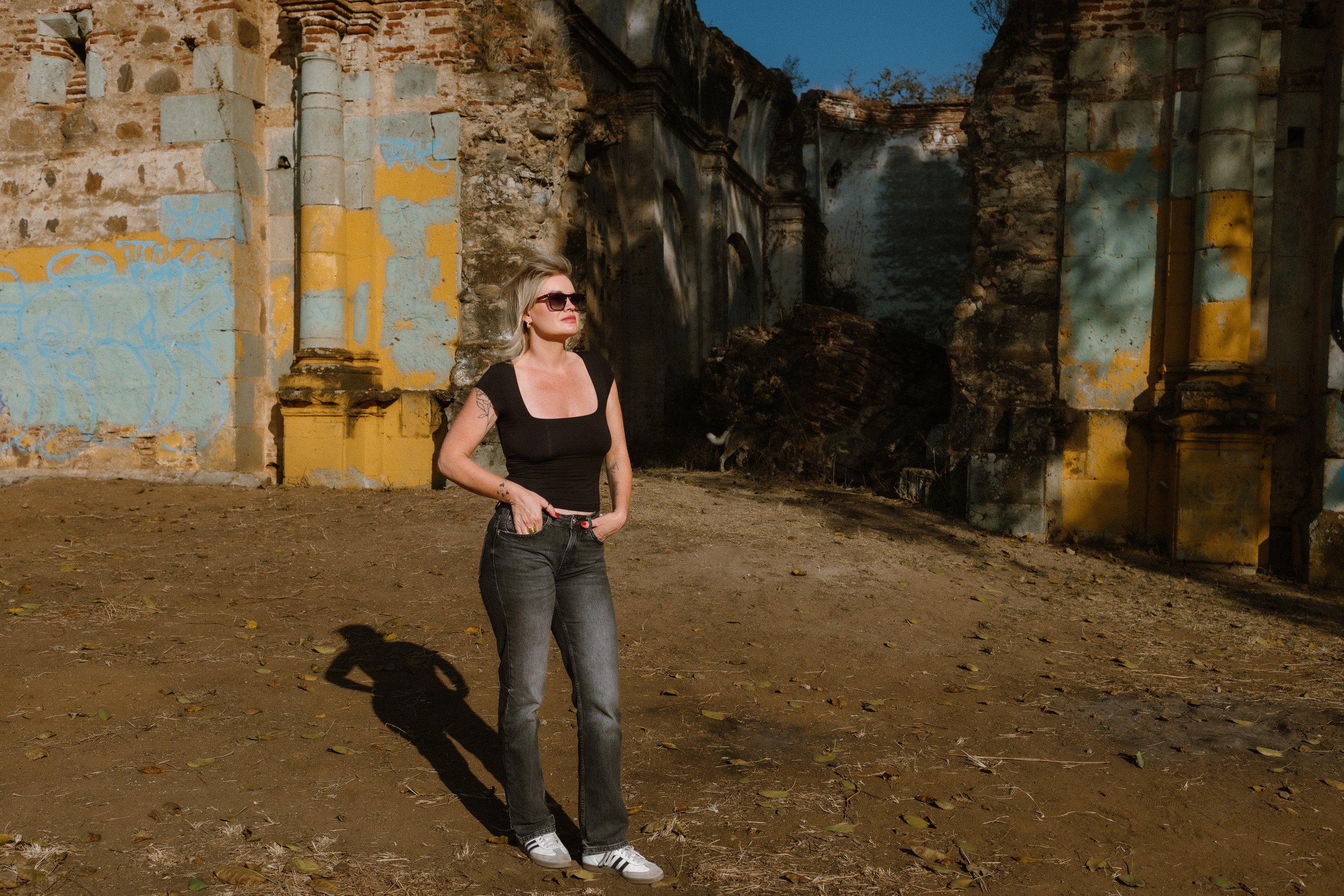
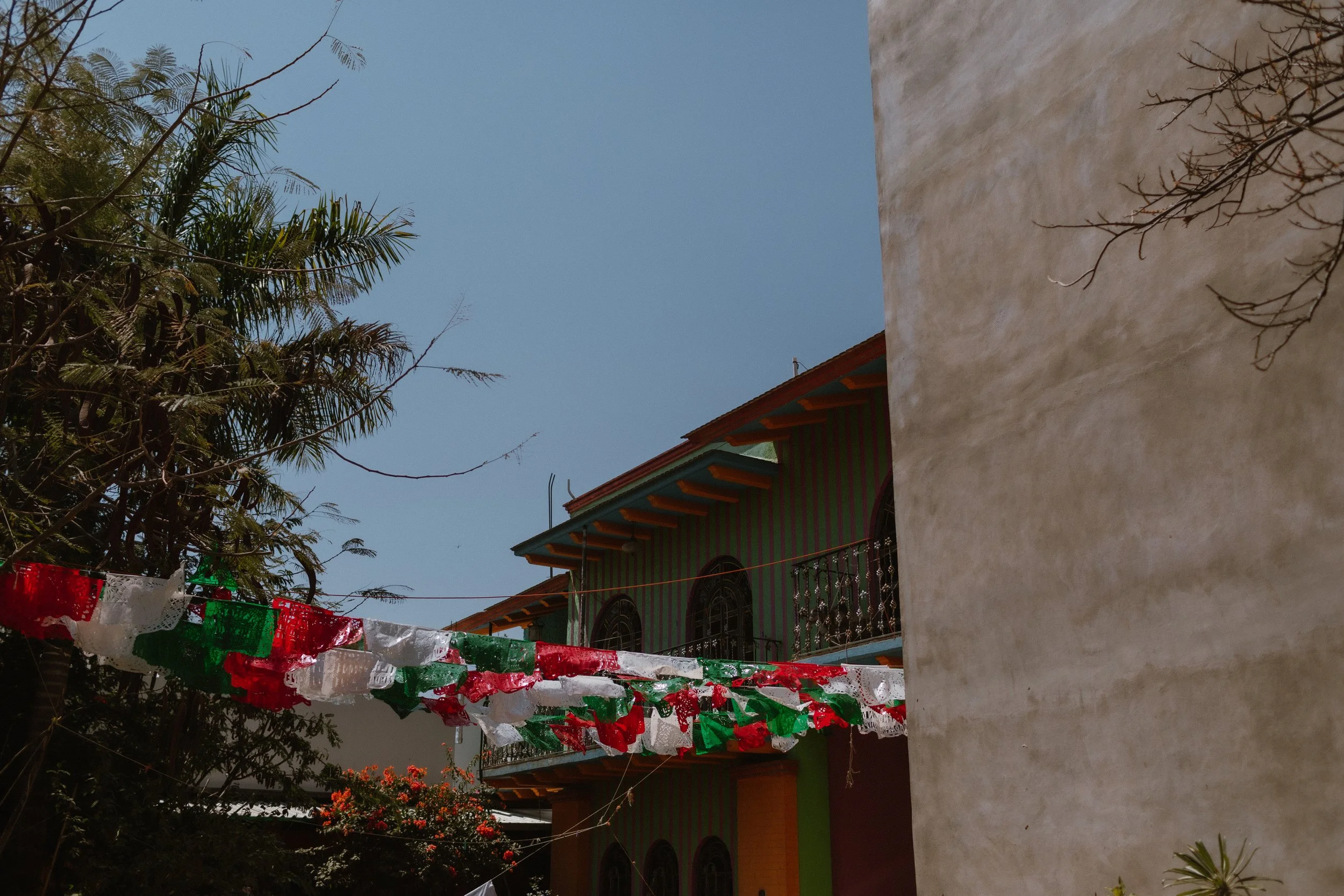
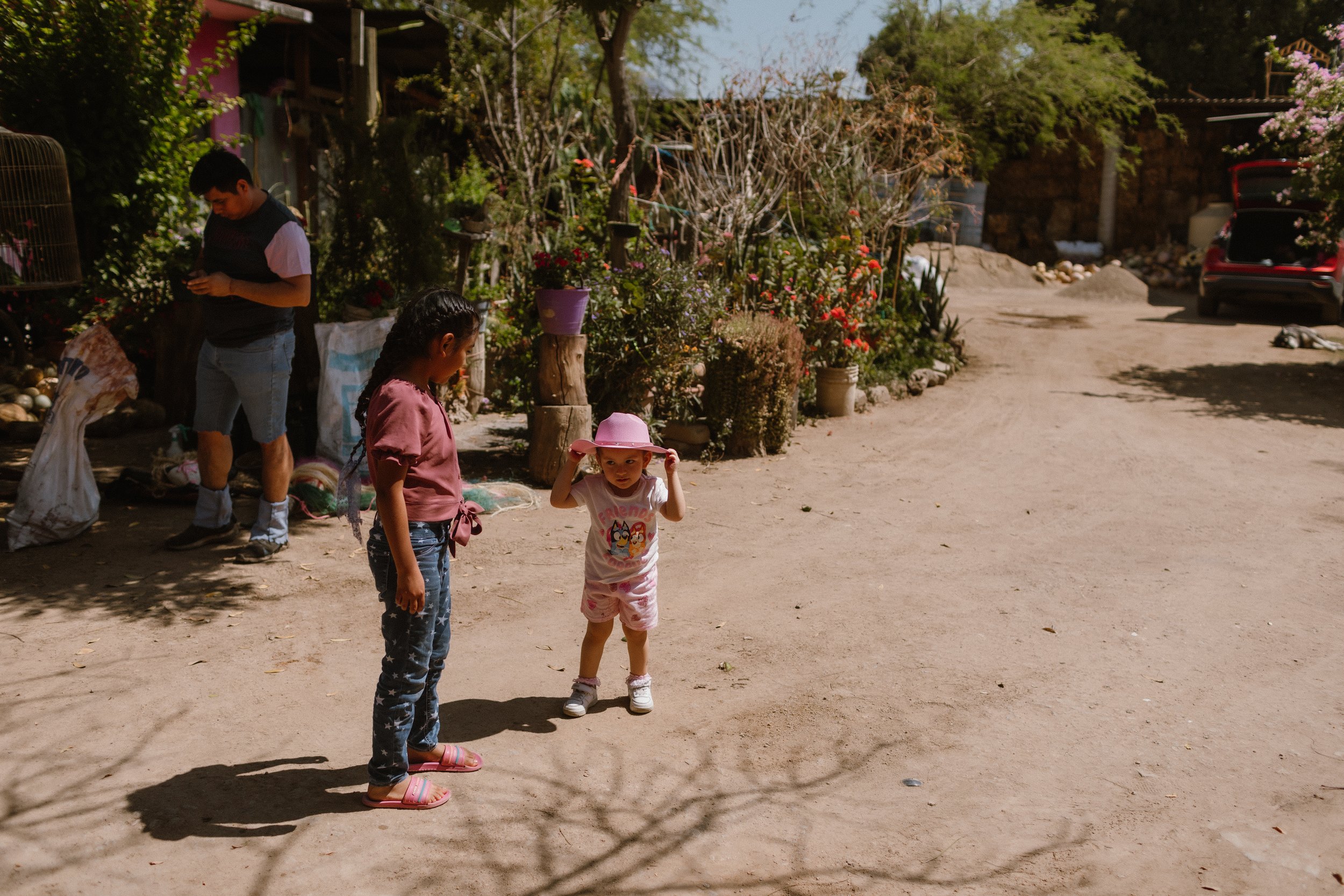
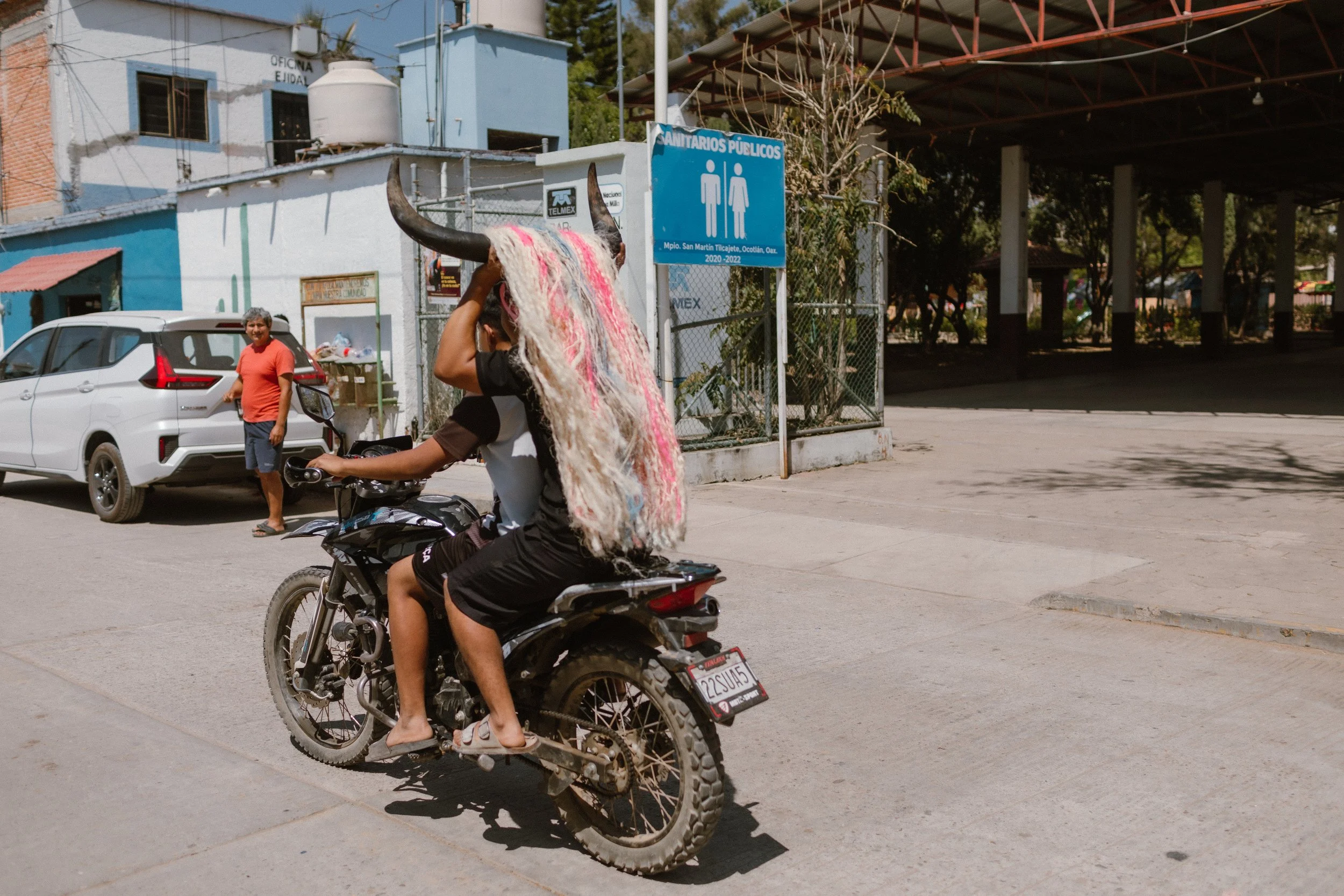
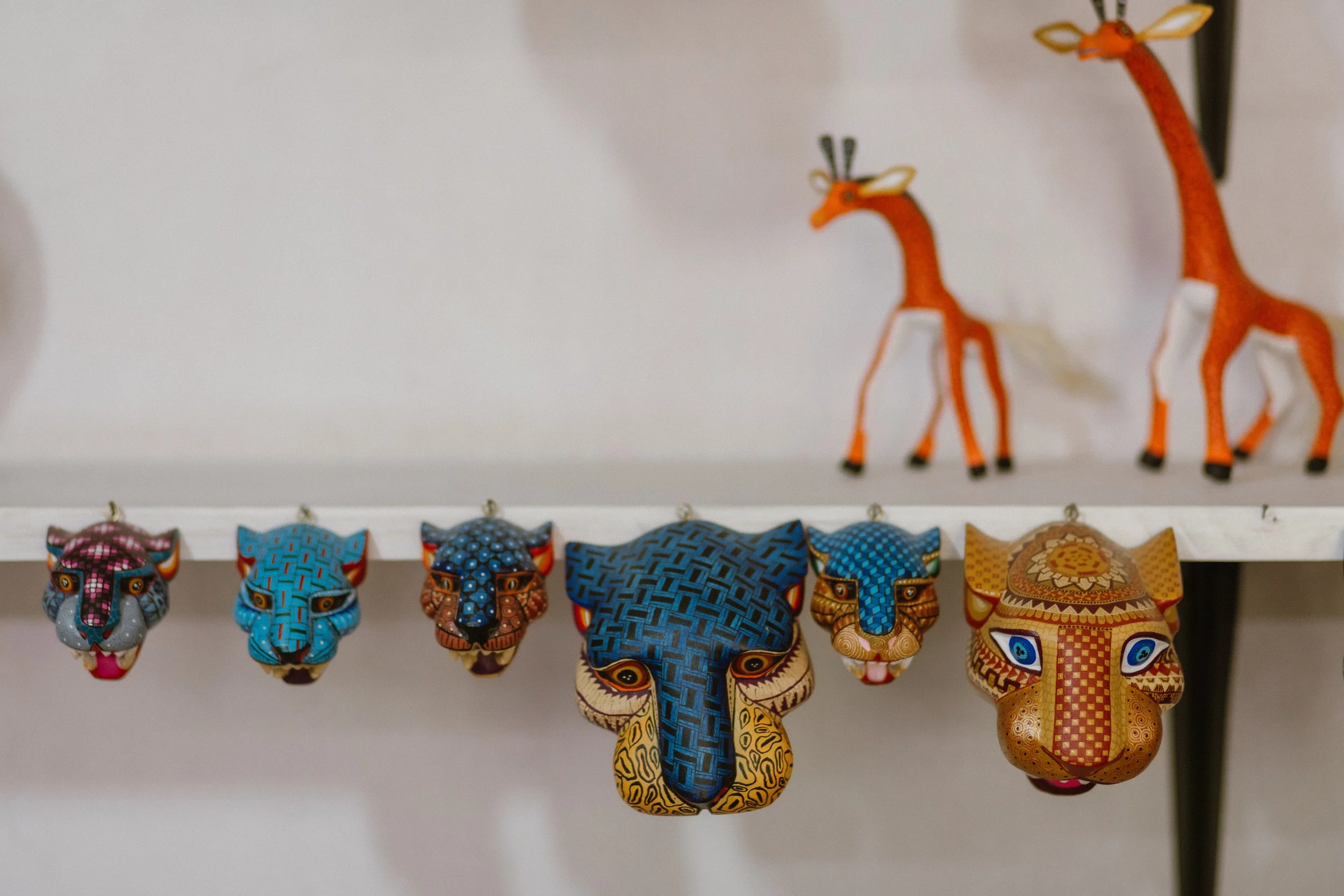
San Martín Tilcajete is a small town in Oaxaca known to many visitors for its vividly painted alebrijes, these are fantasy wooden carvings that line workshops and family courtyards. But beyond the art that fills galleries and travel blogs, Tilcajete holds traditions that are older, louder, and deeply rooted in community life.
During Carnival season, the town transforms.
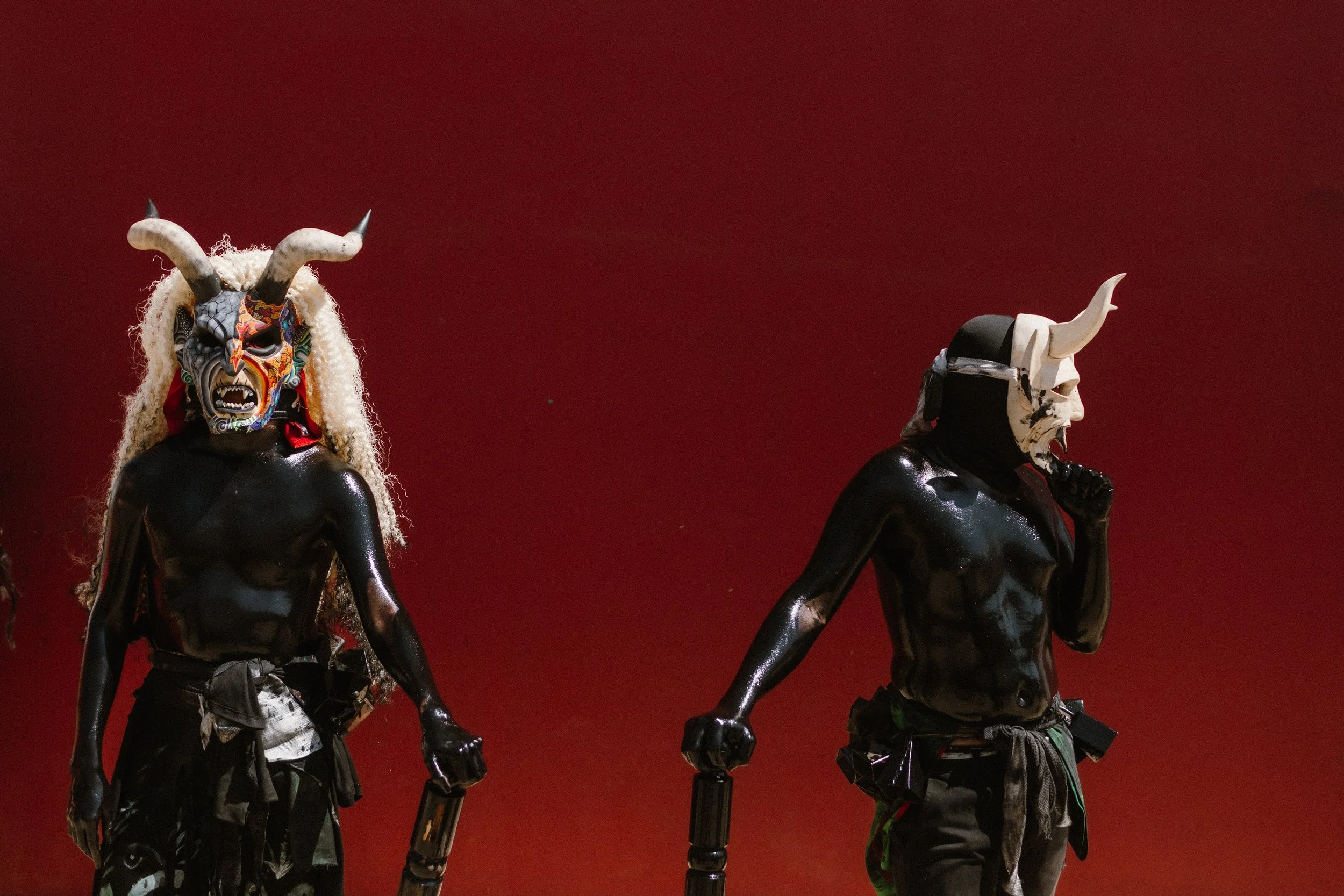
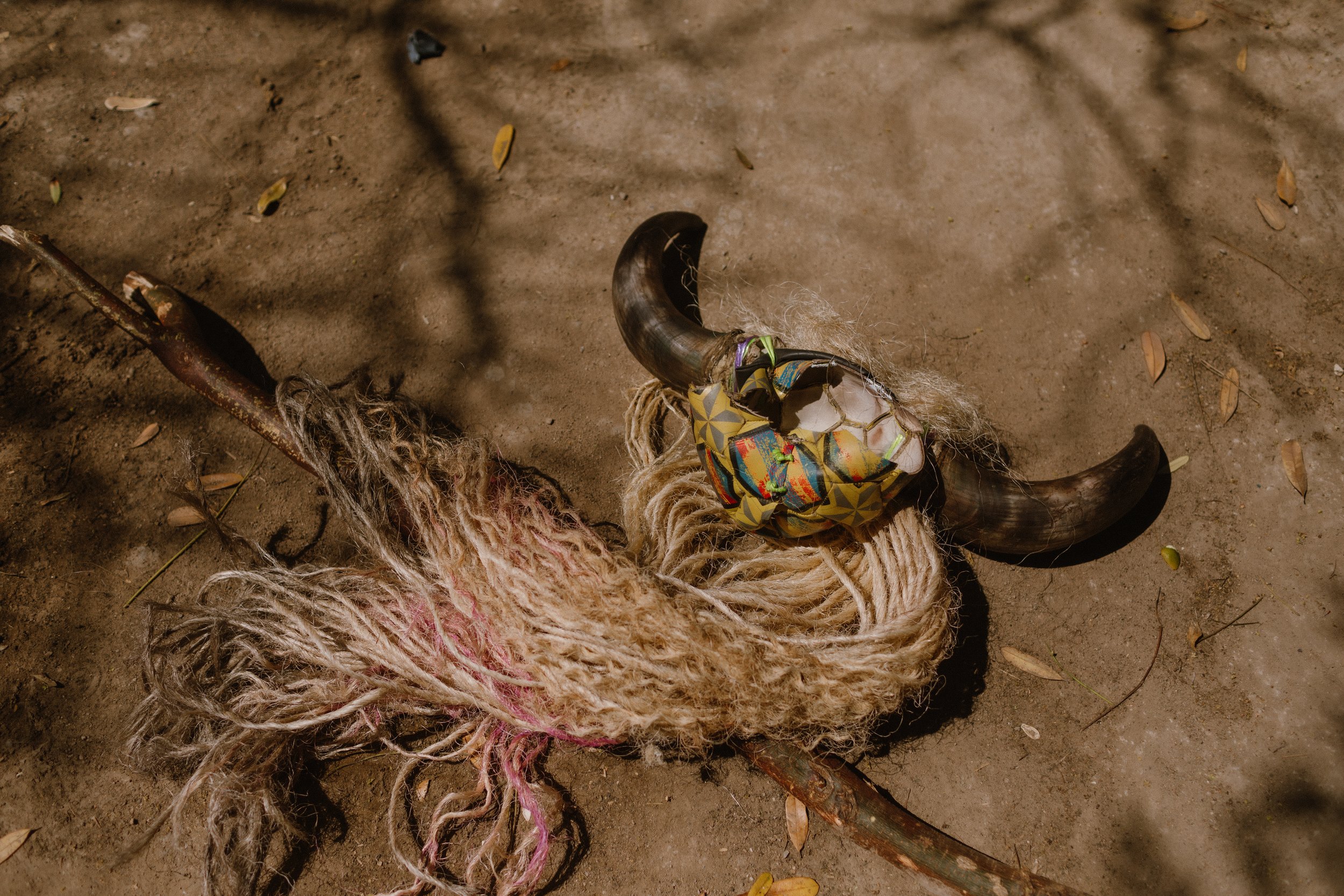
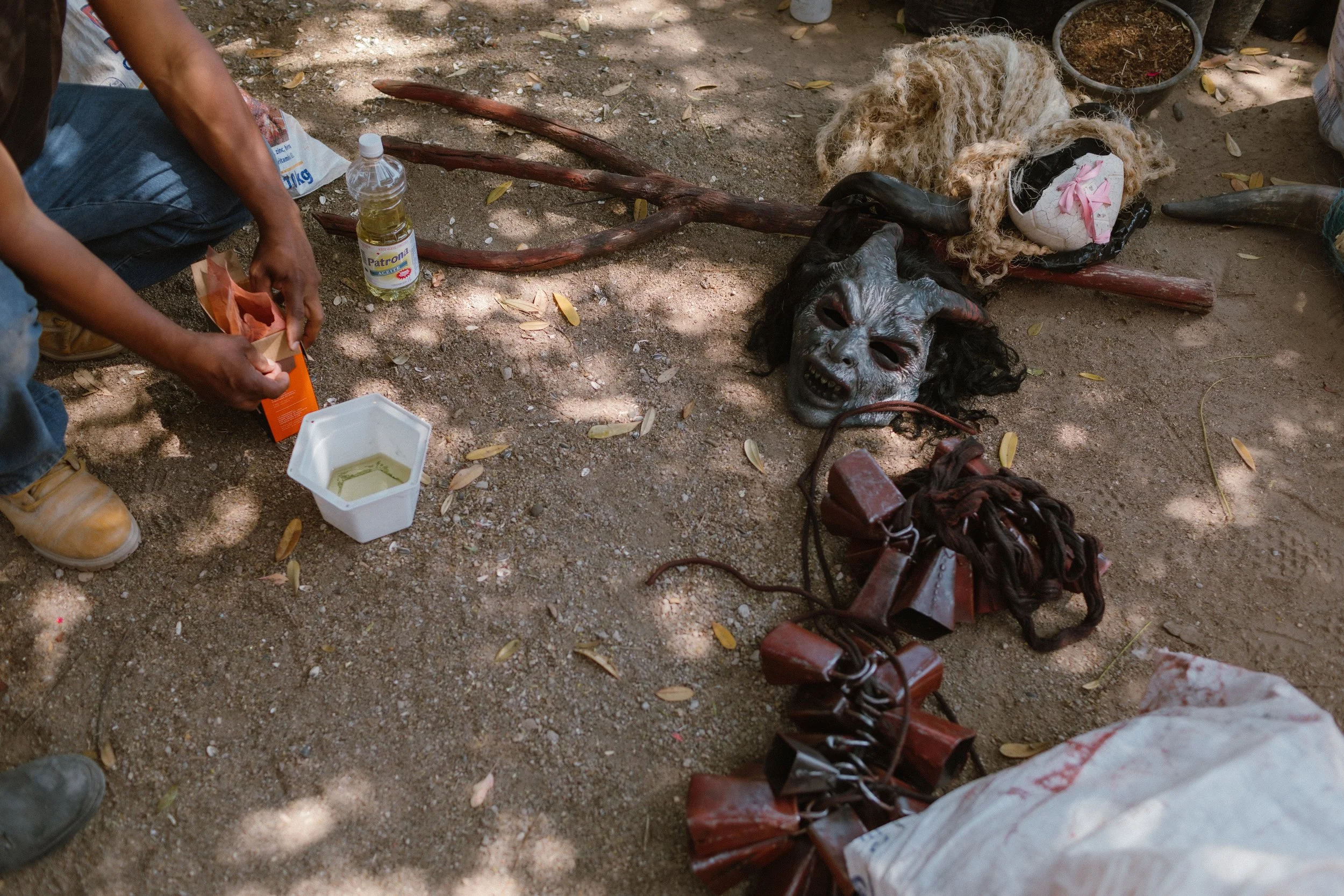
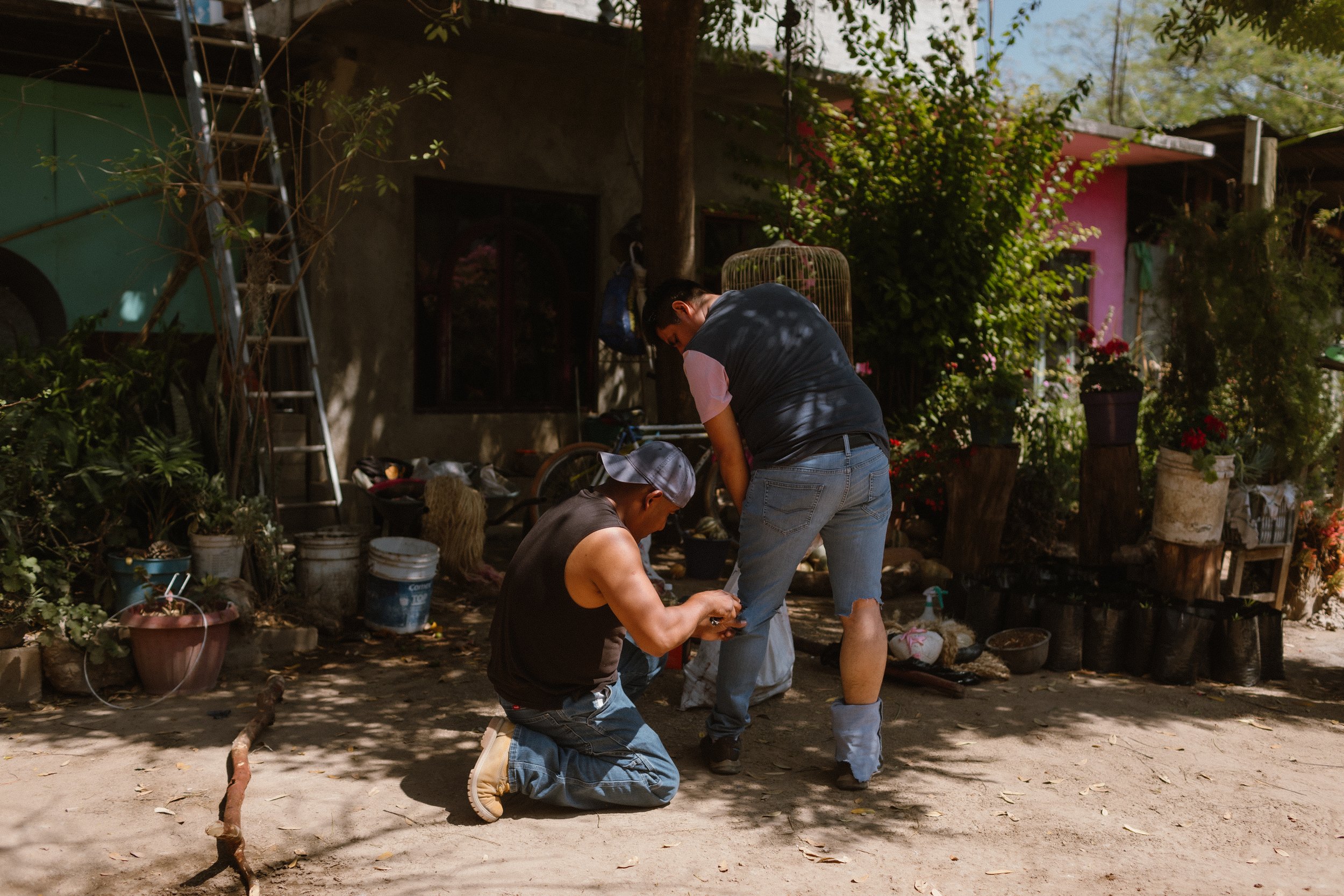
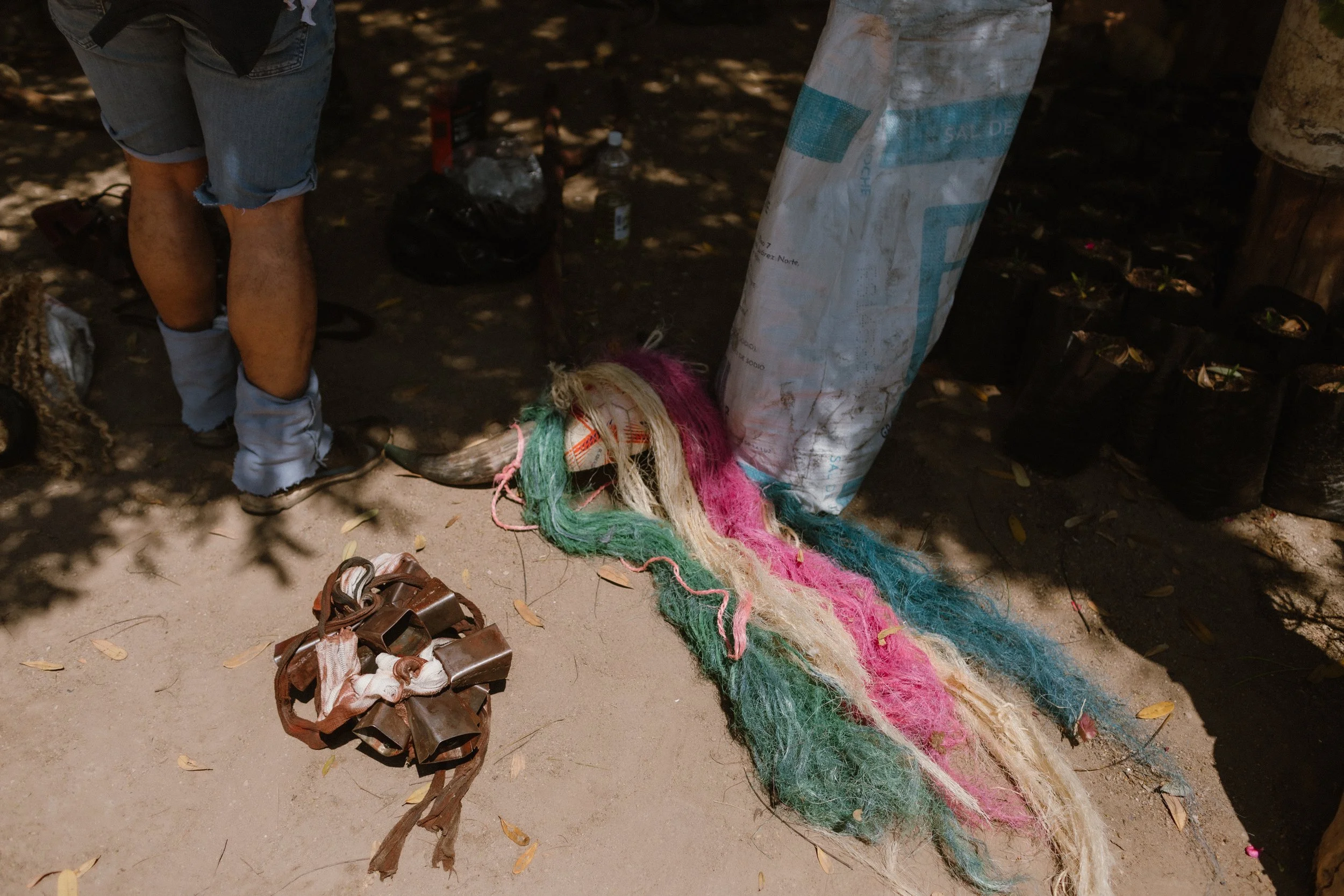
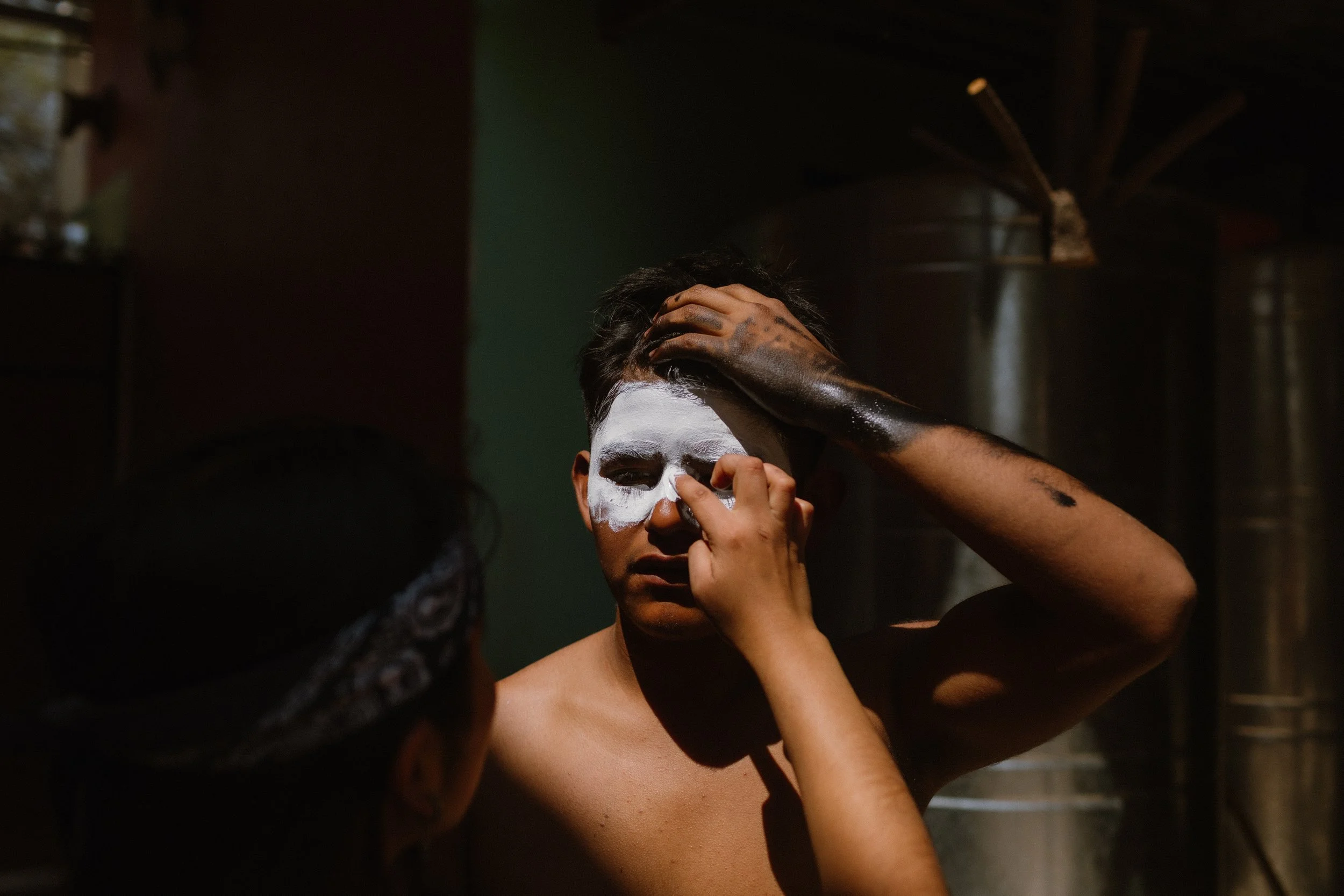
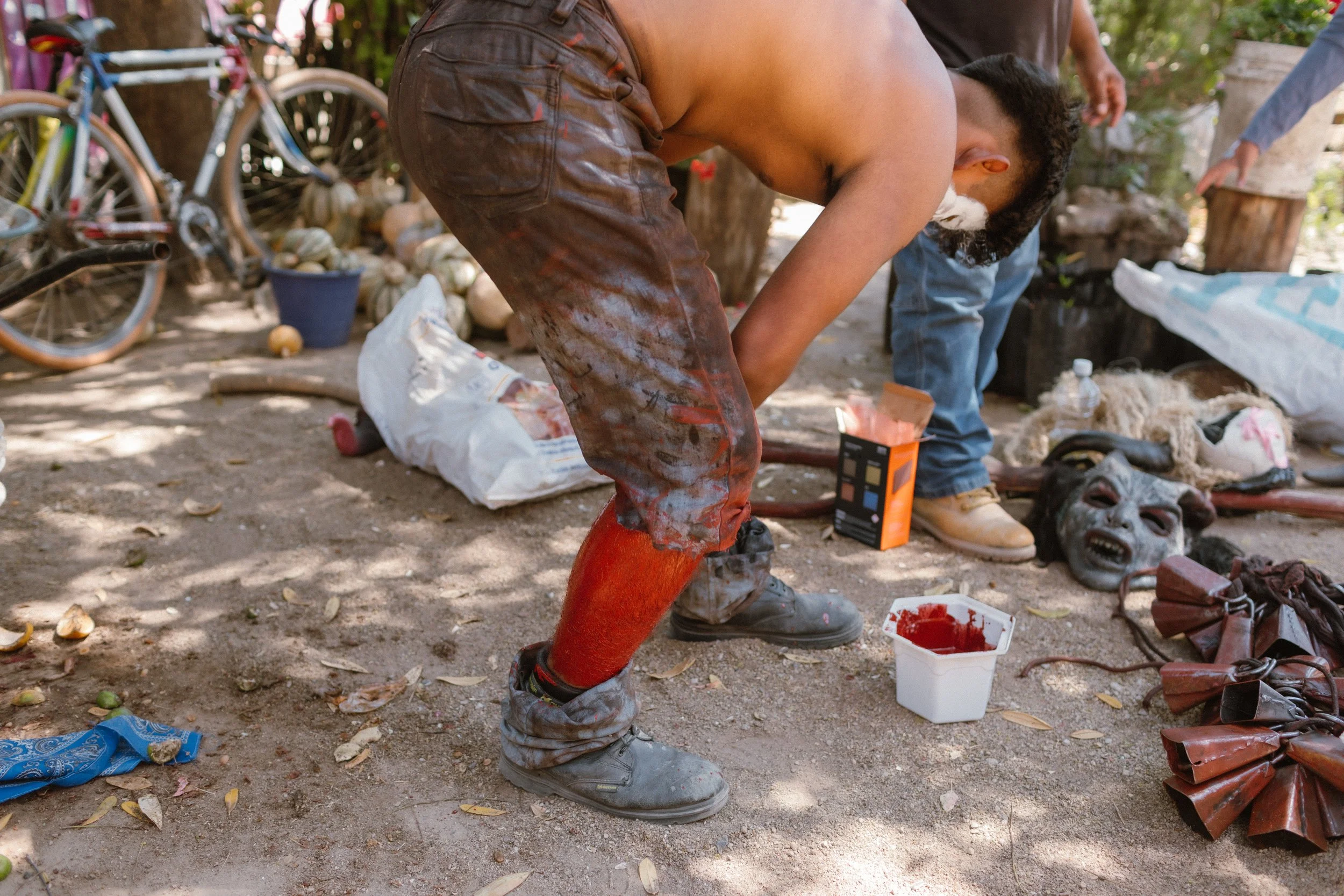
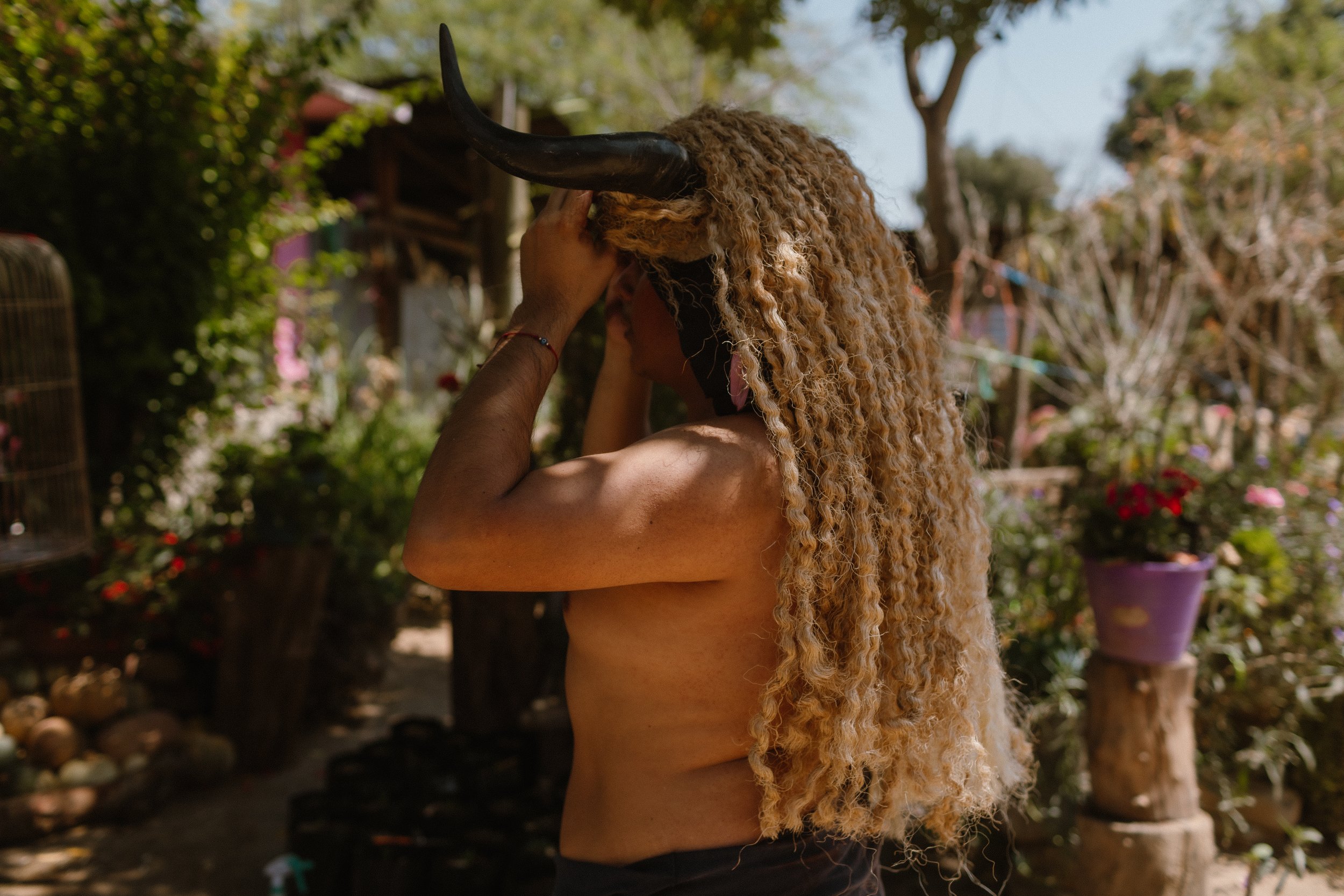
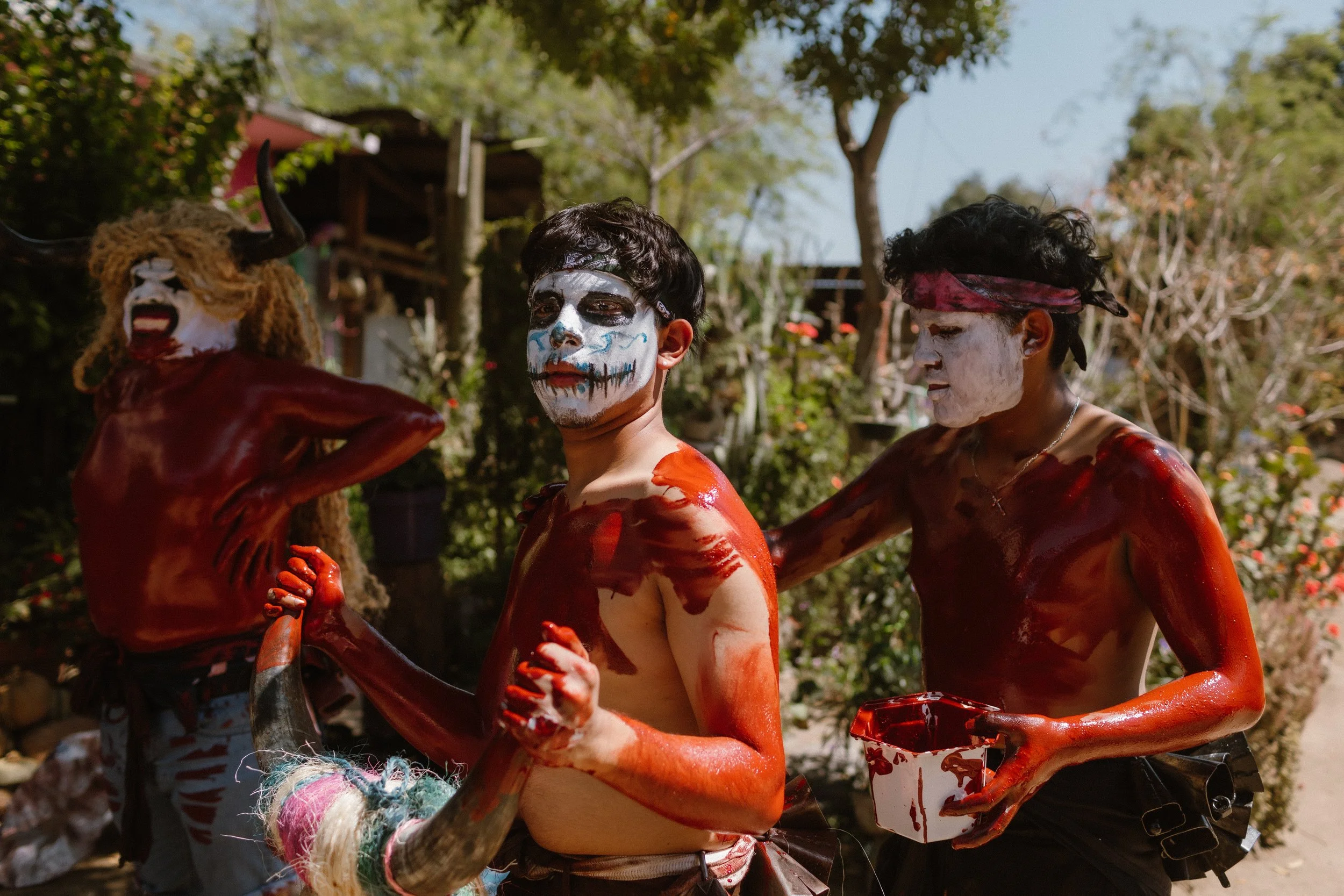
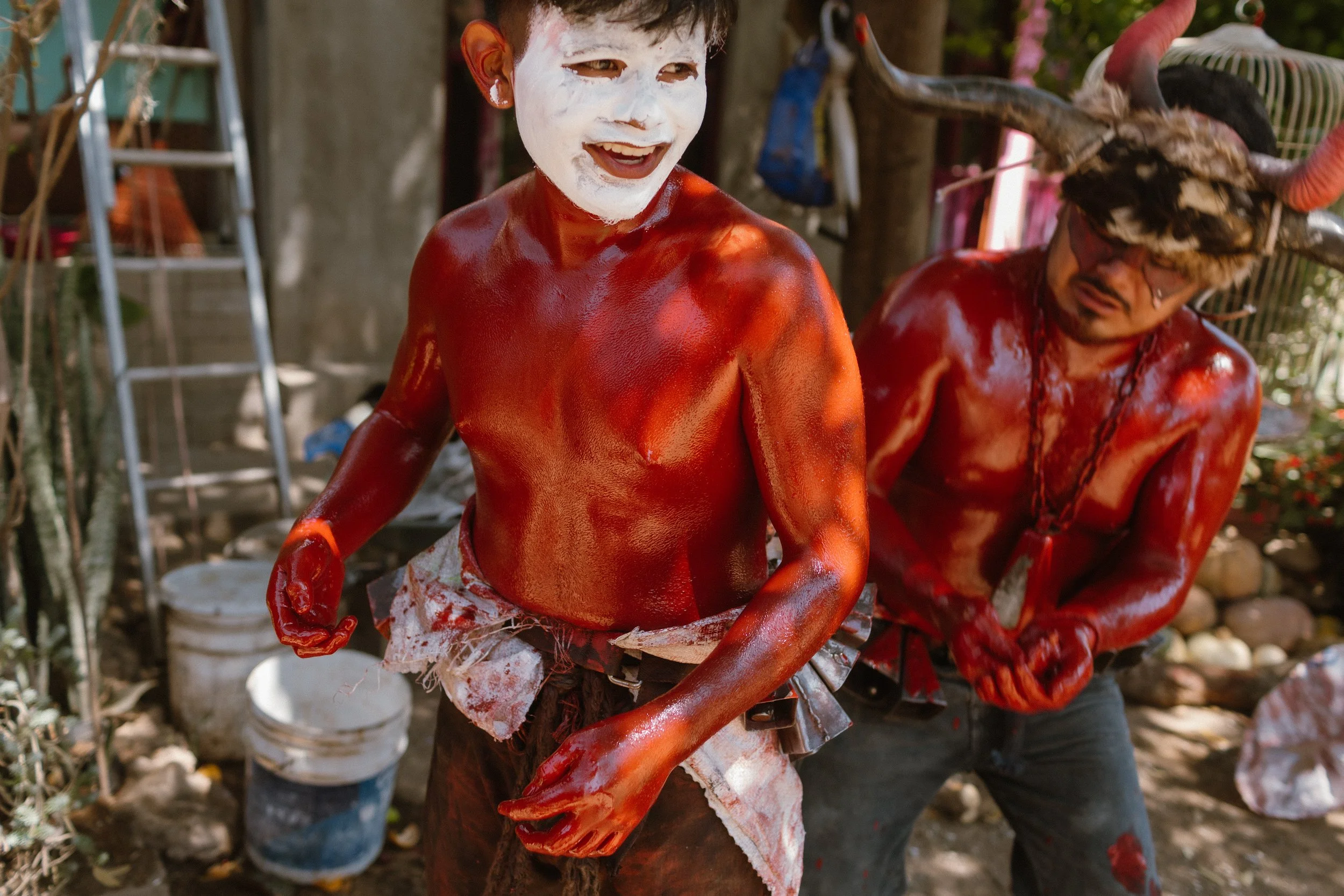
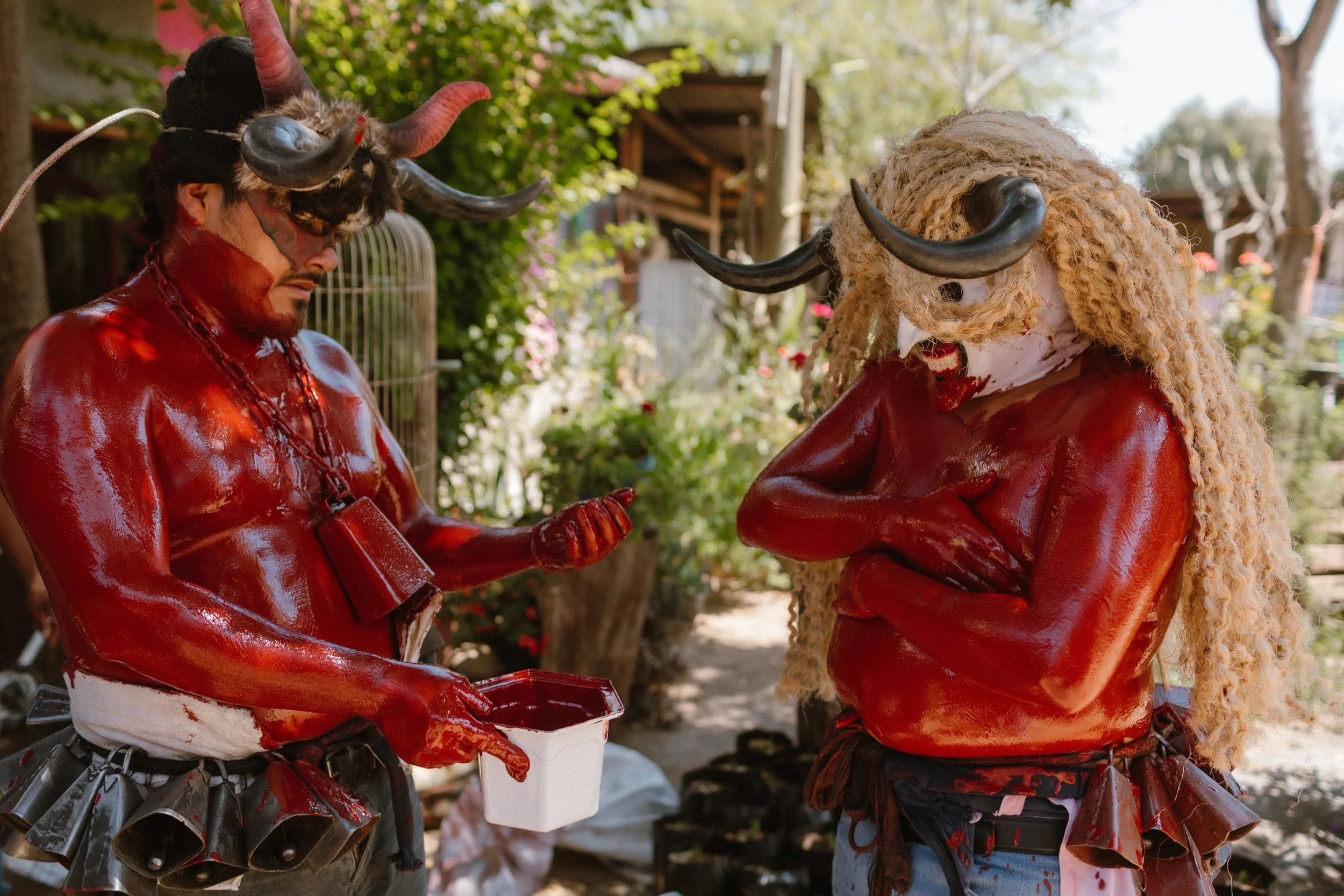
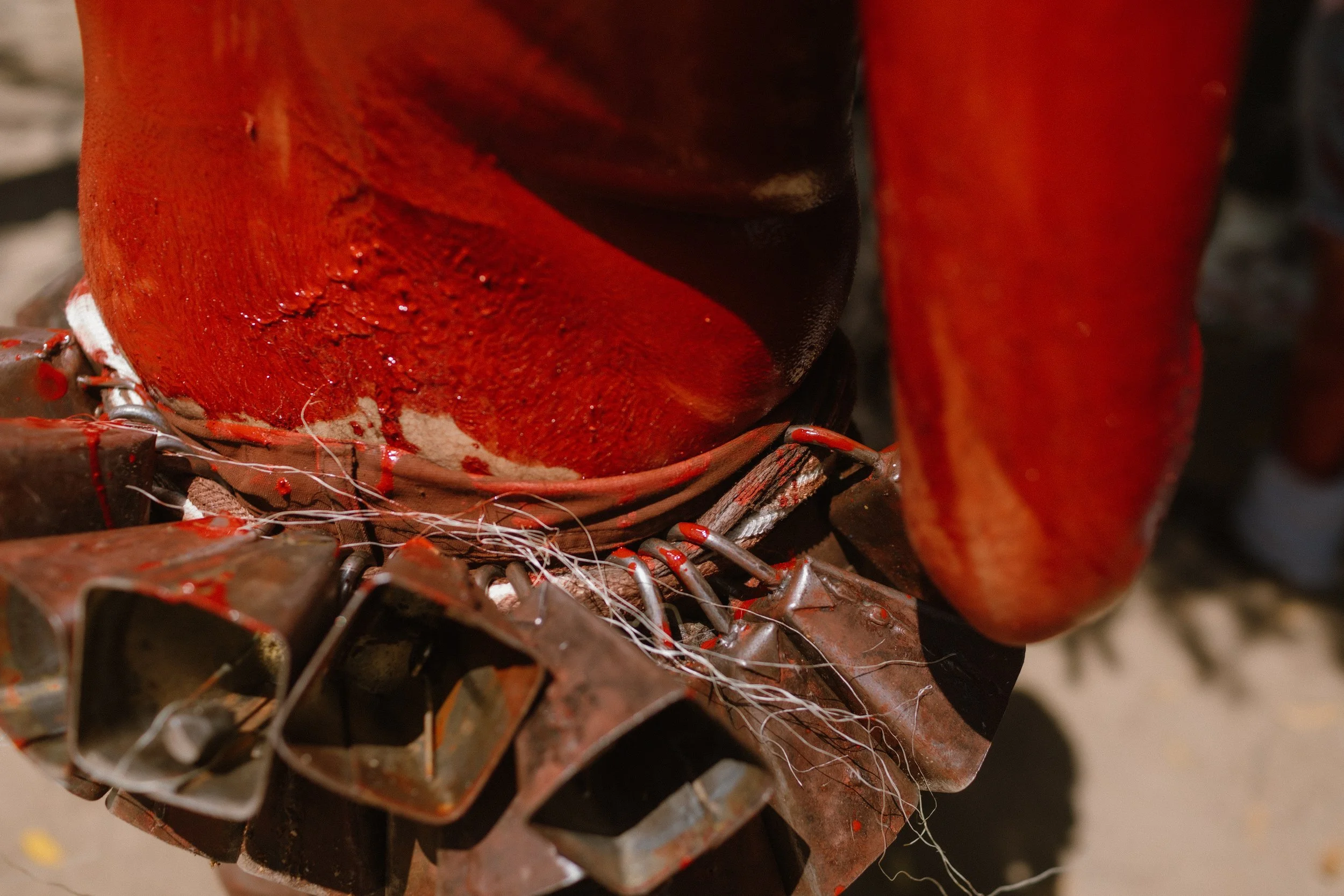
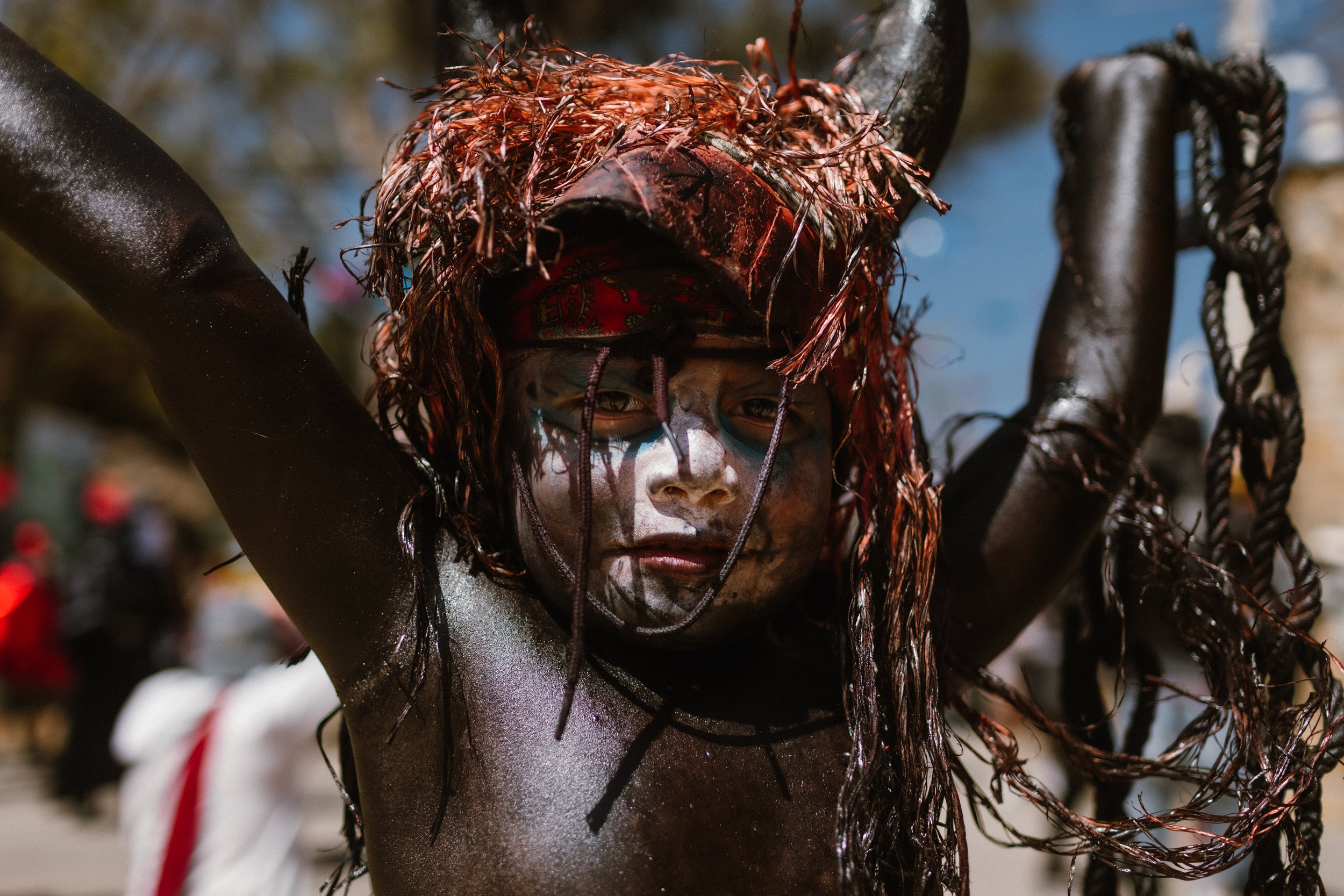
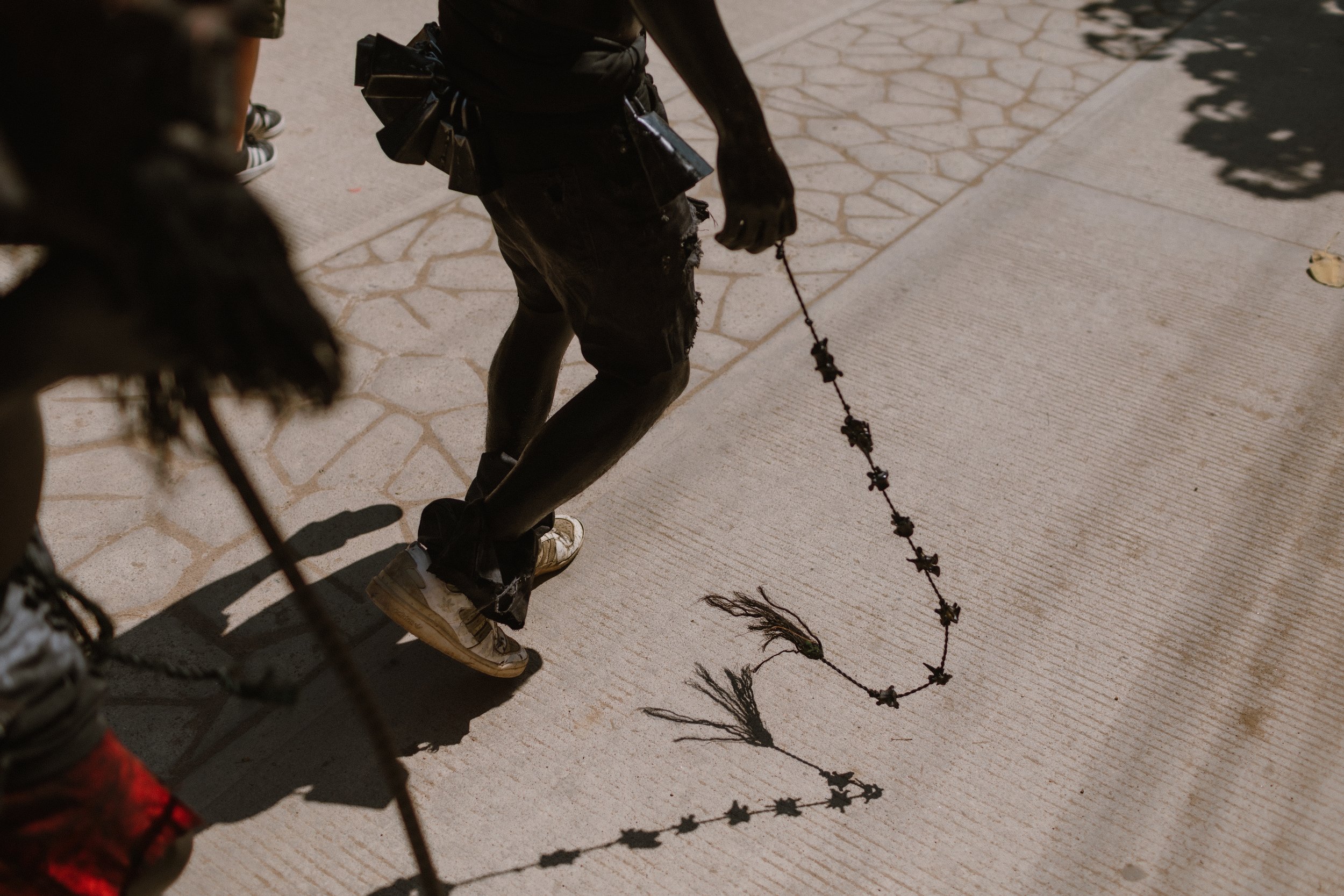
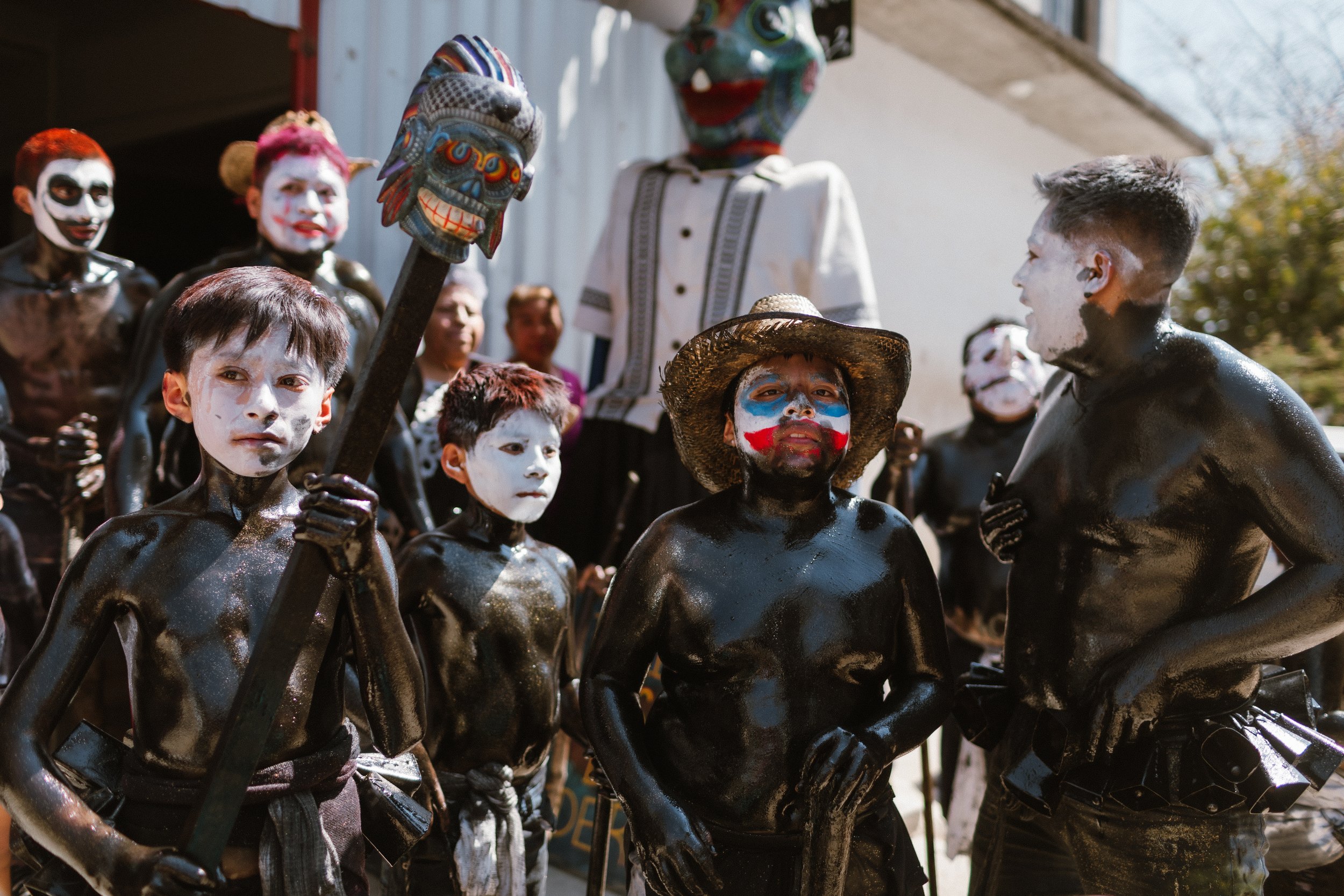
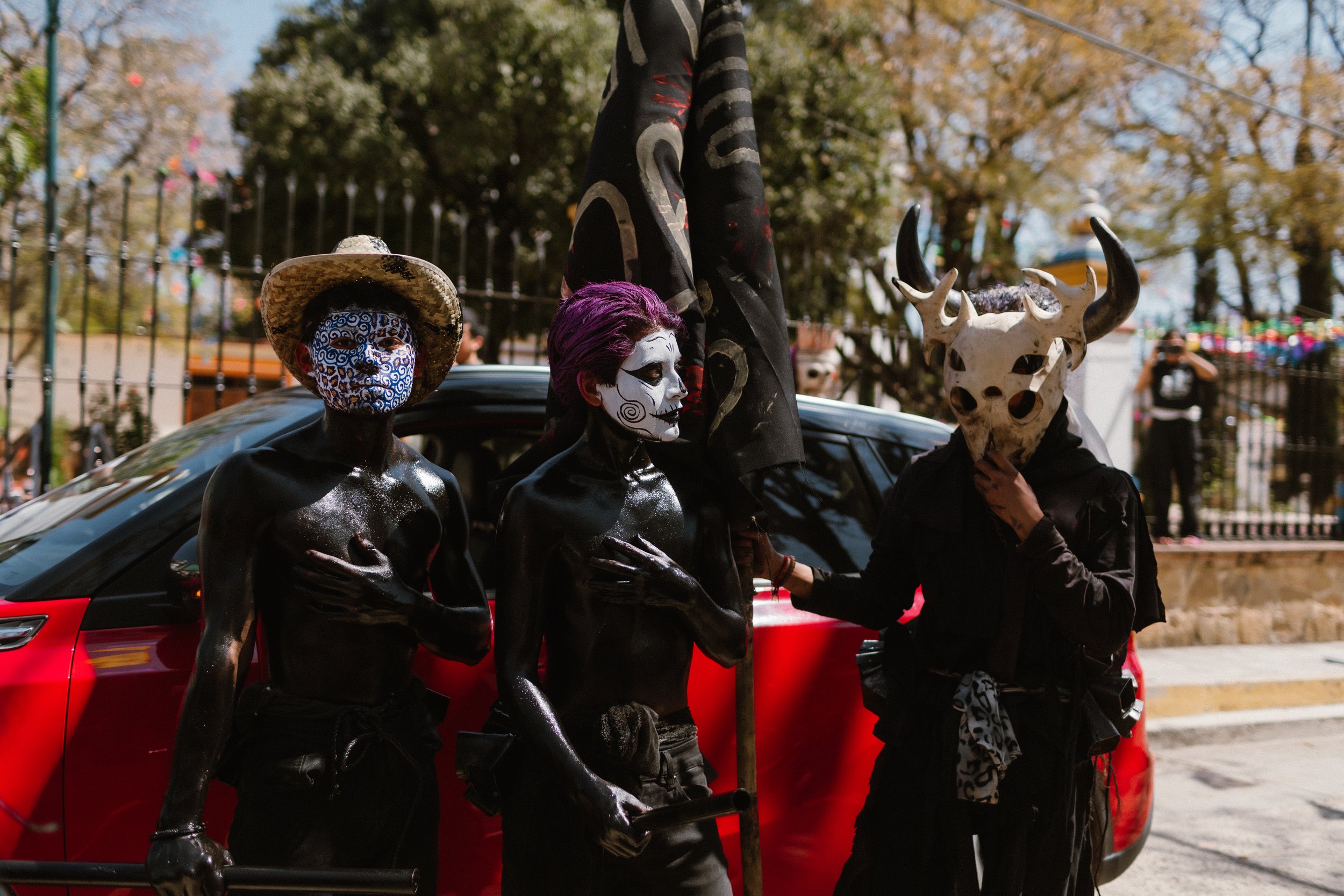
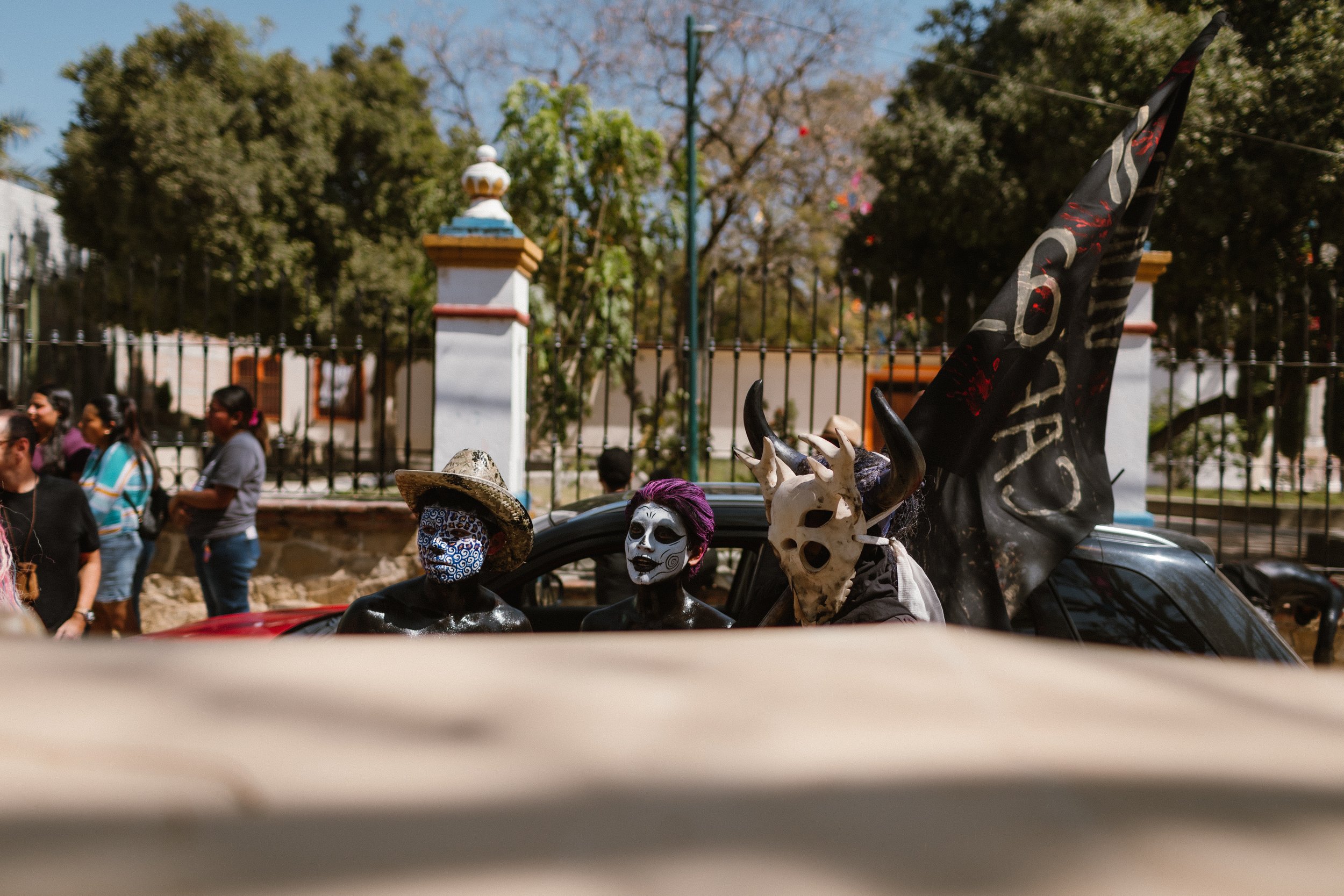
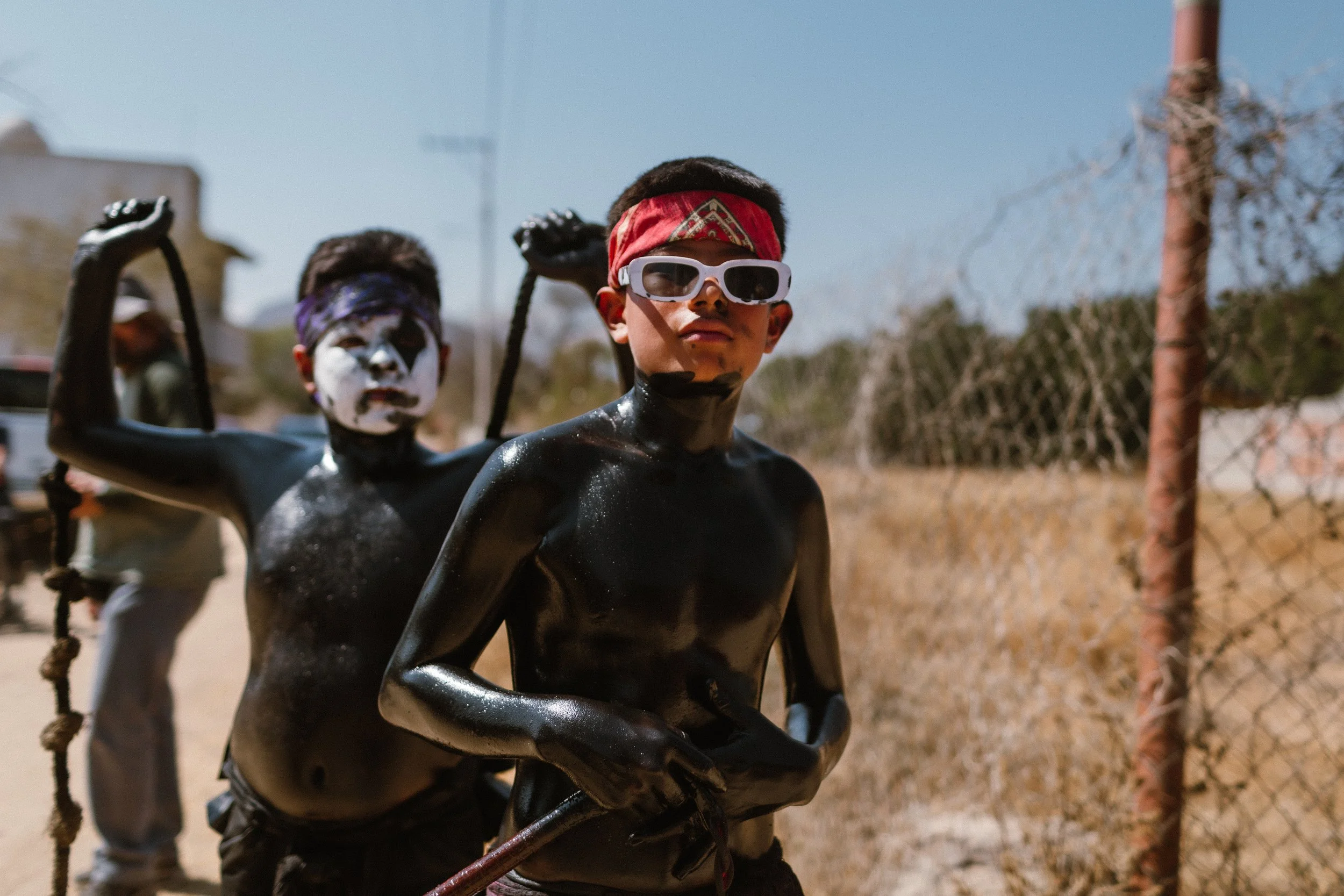
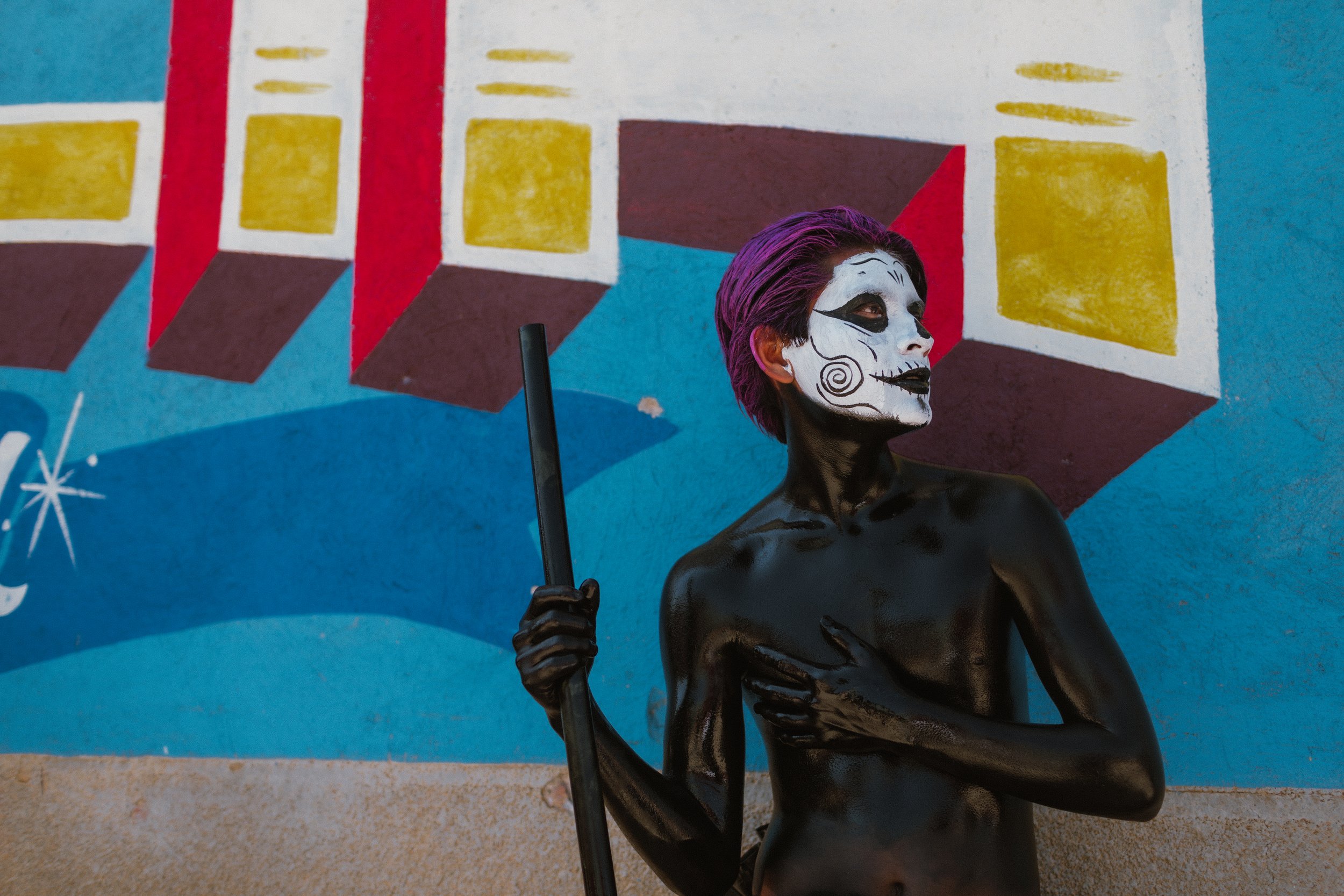
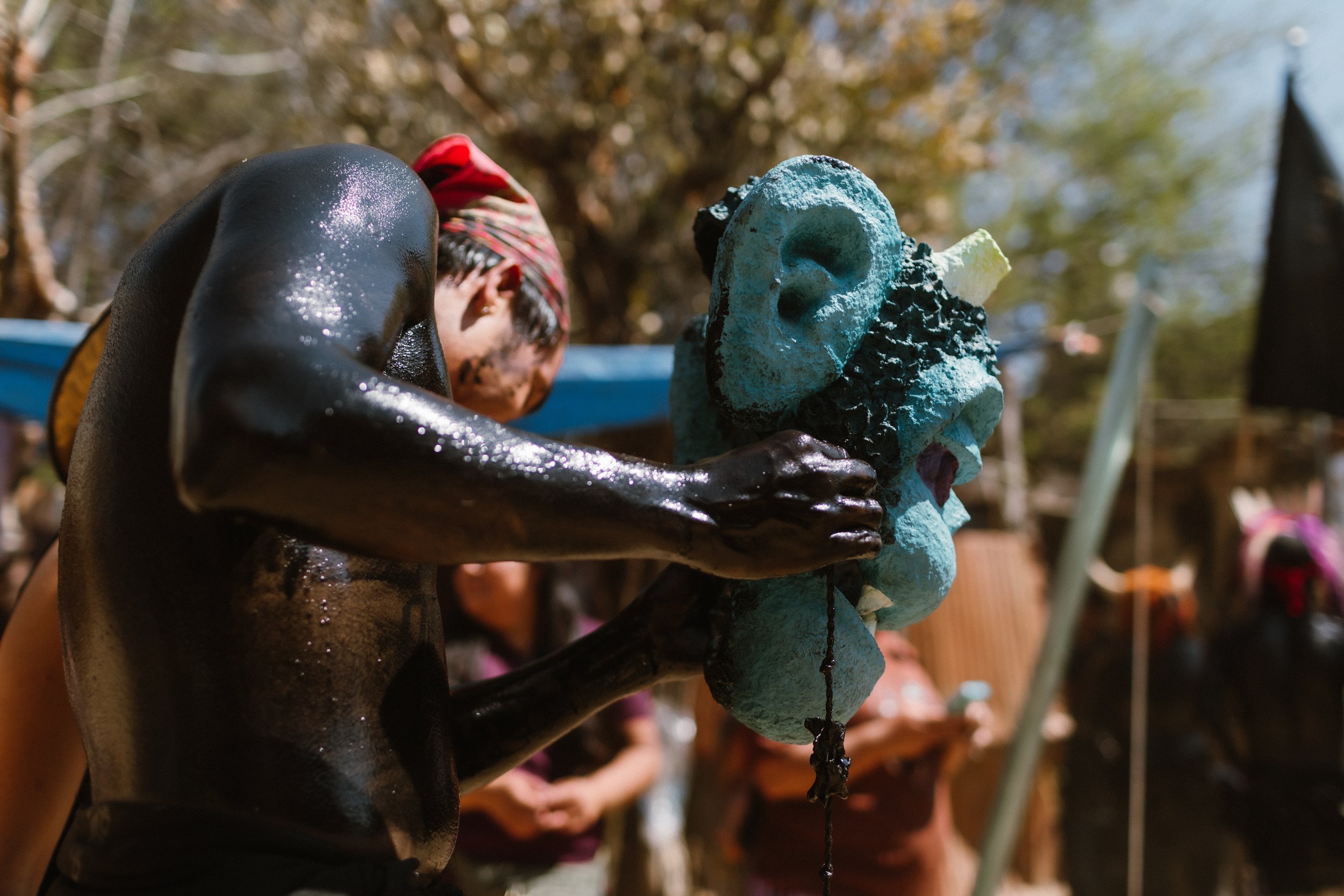
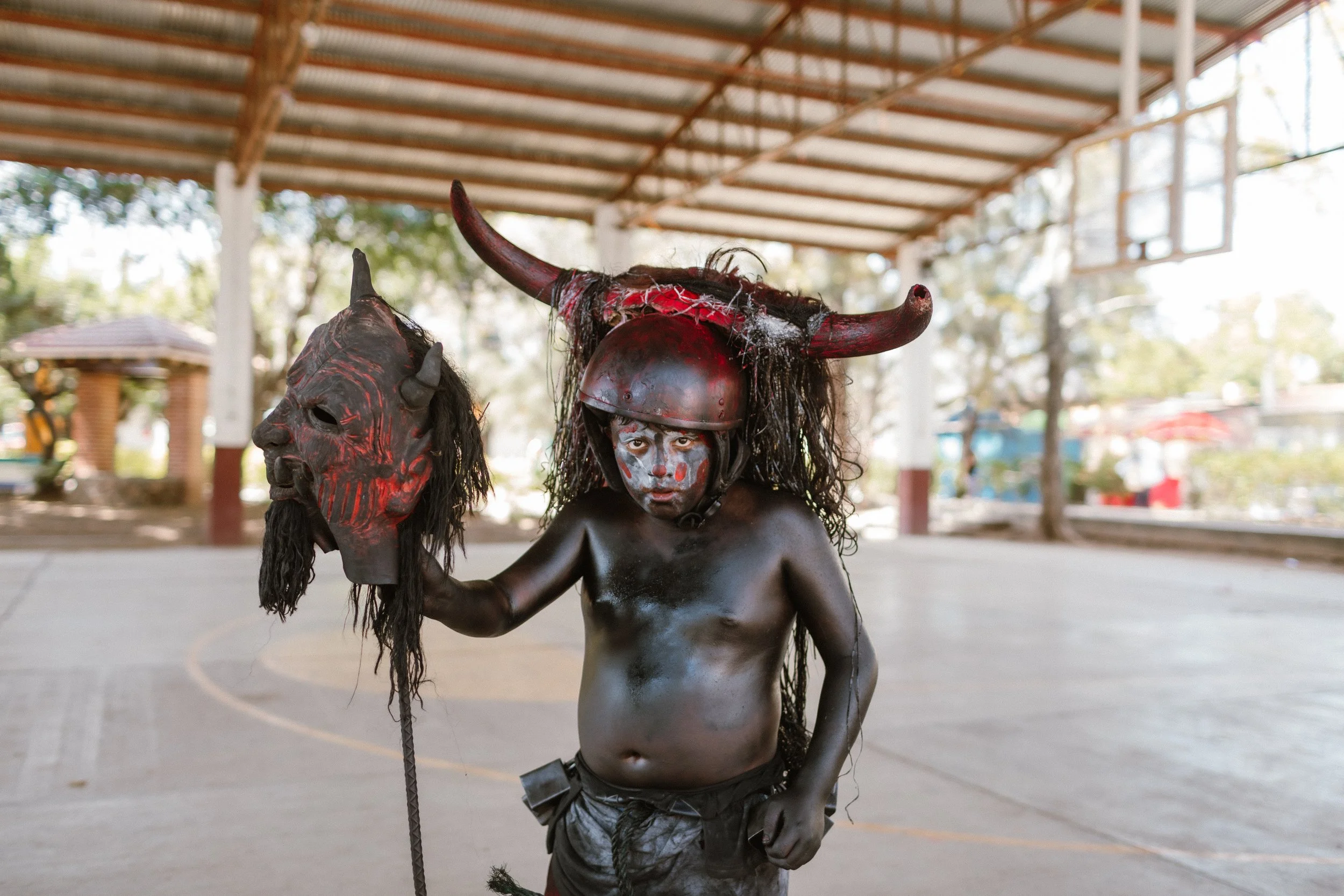
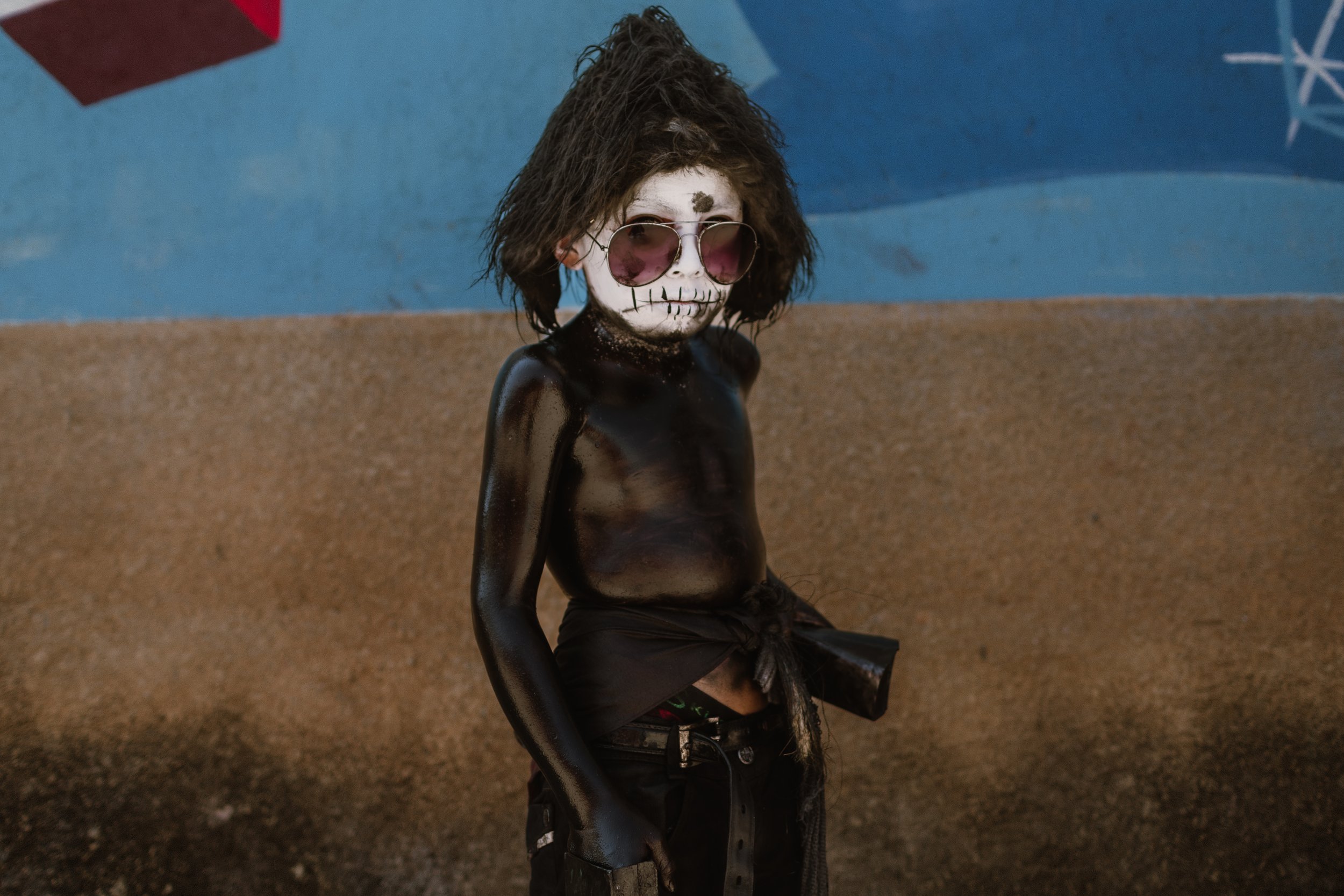
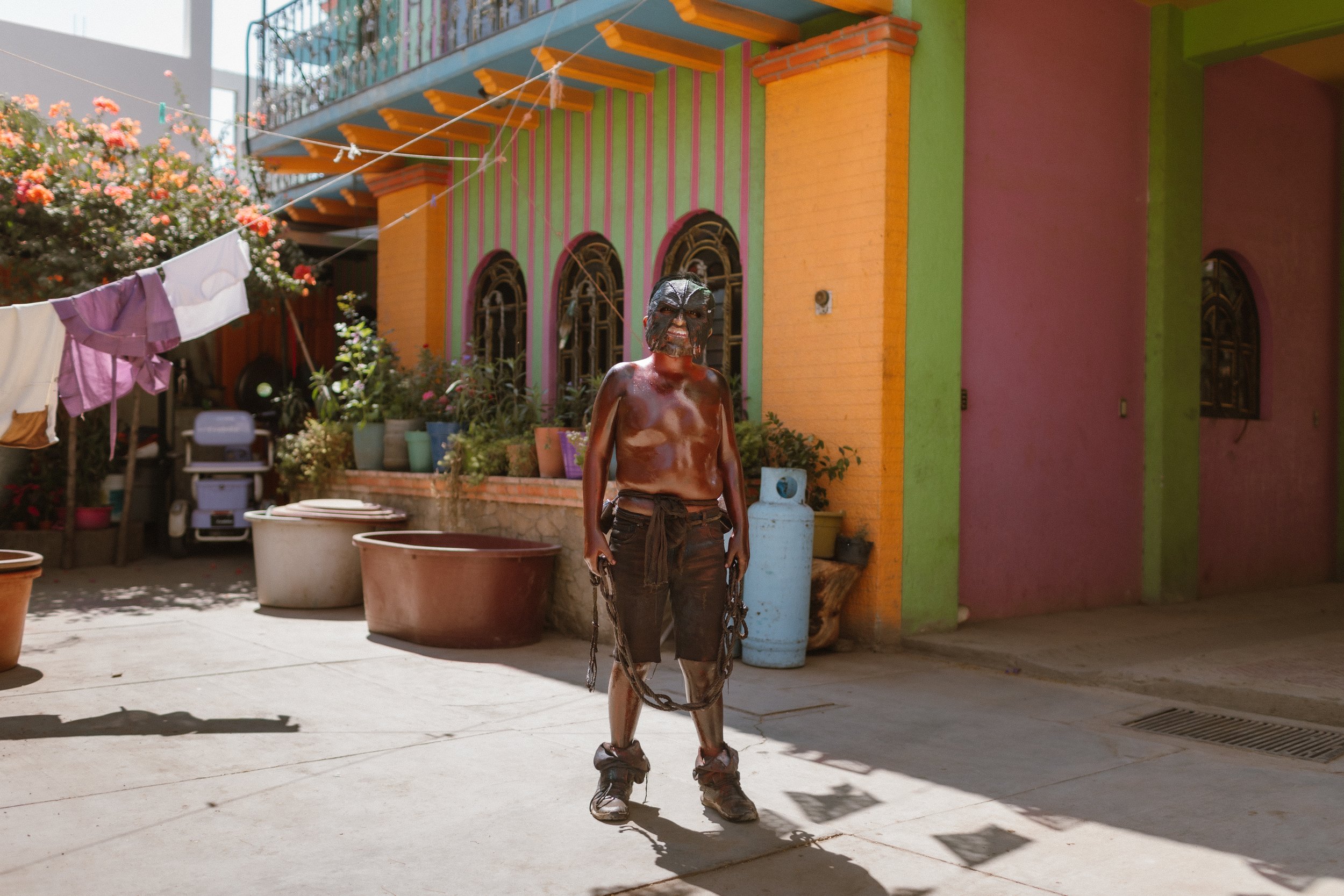
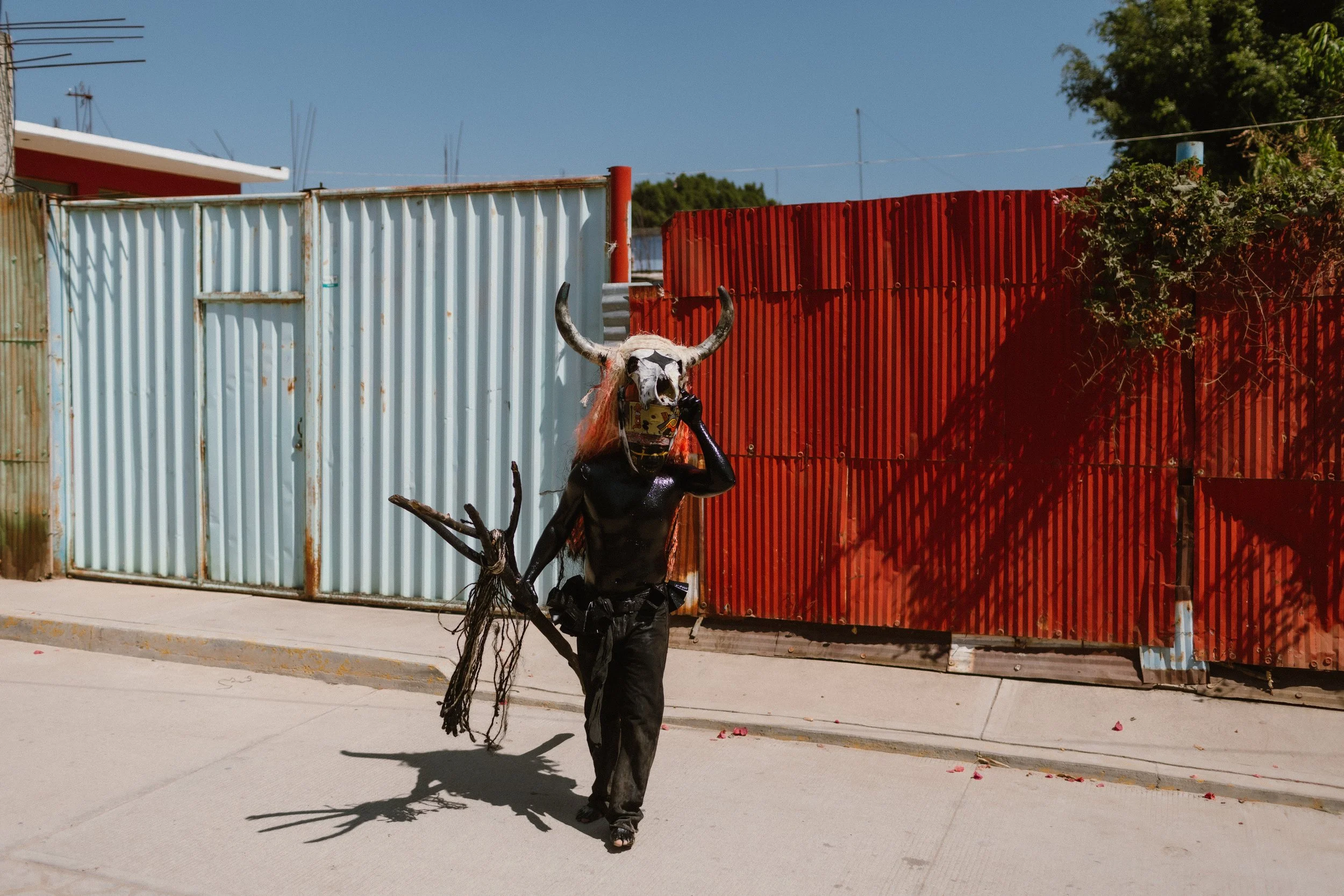
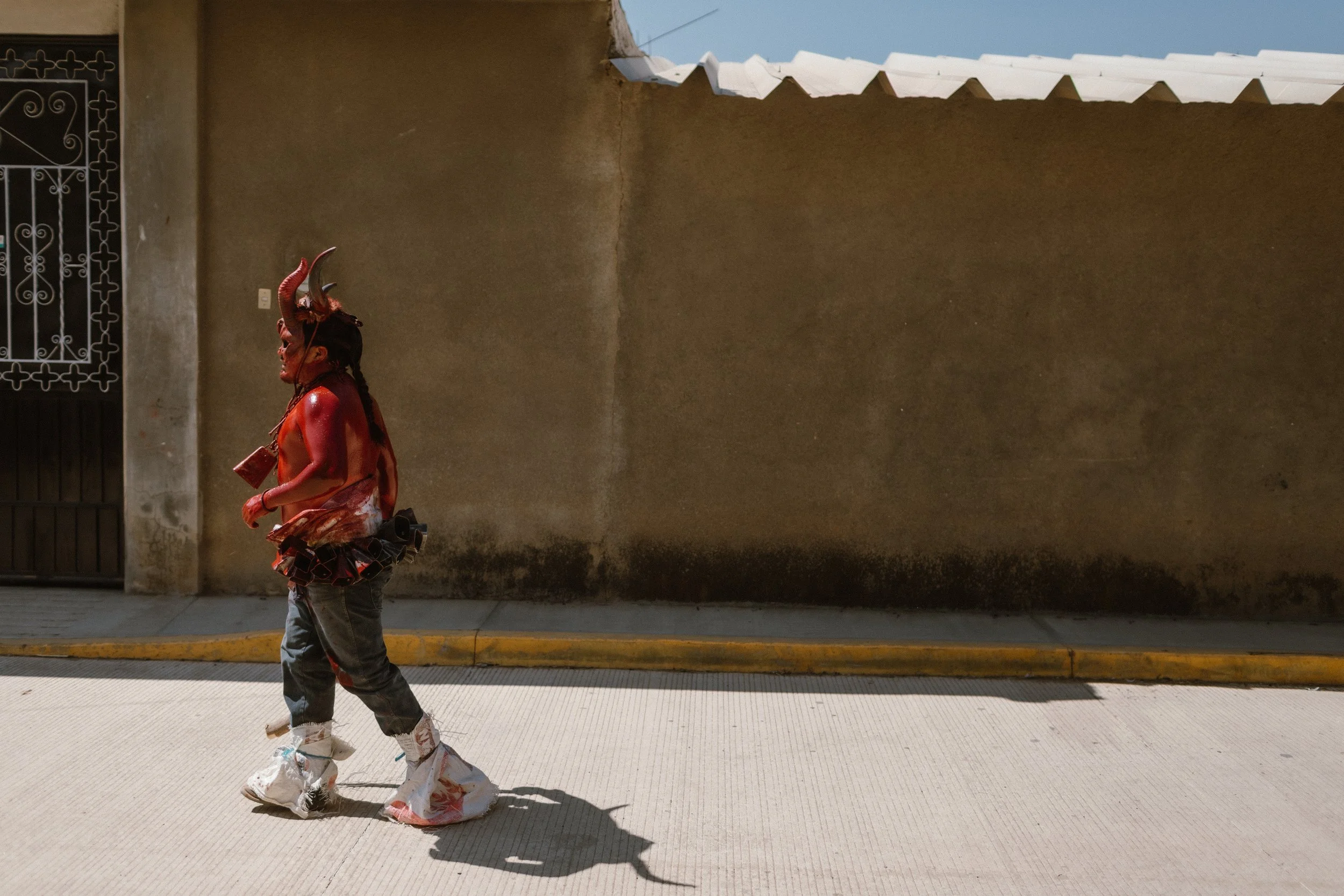
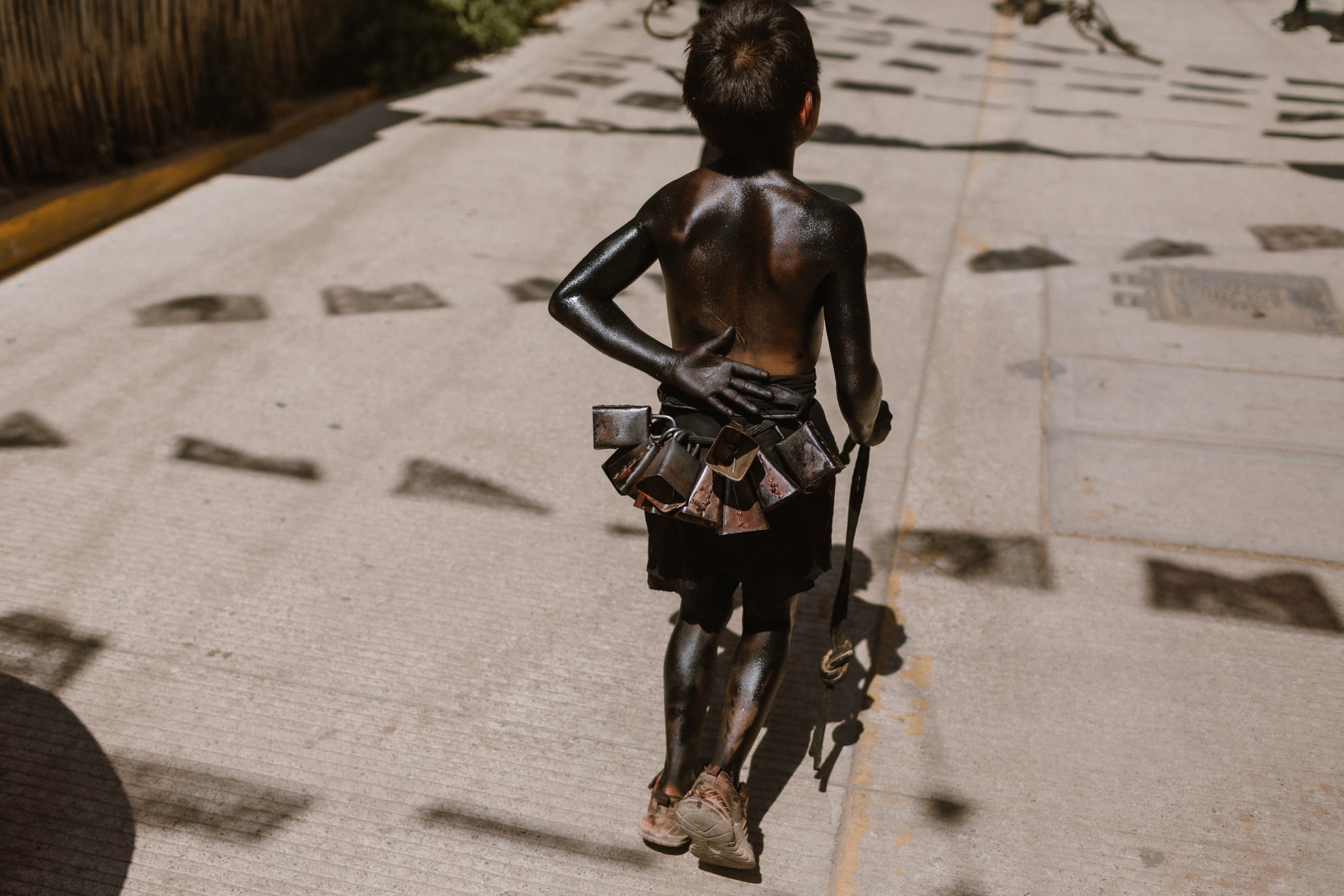
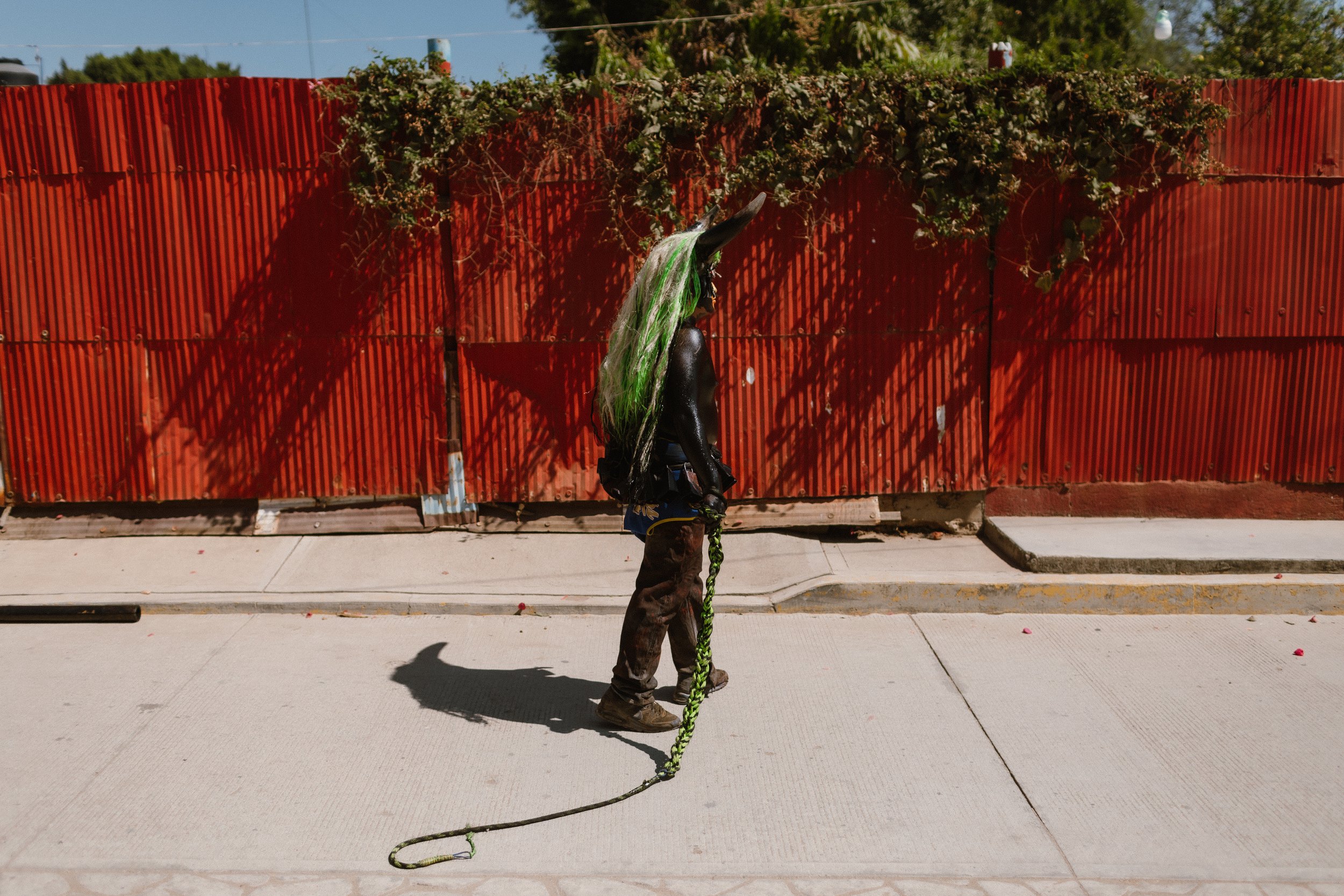
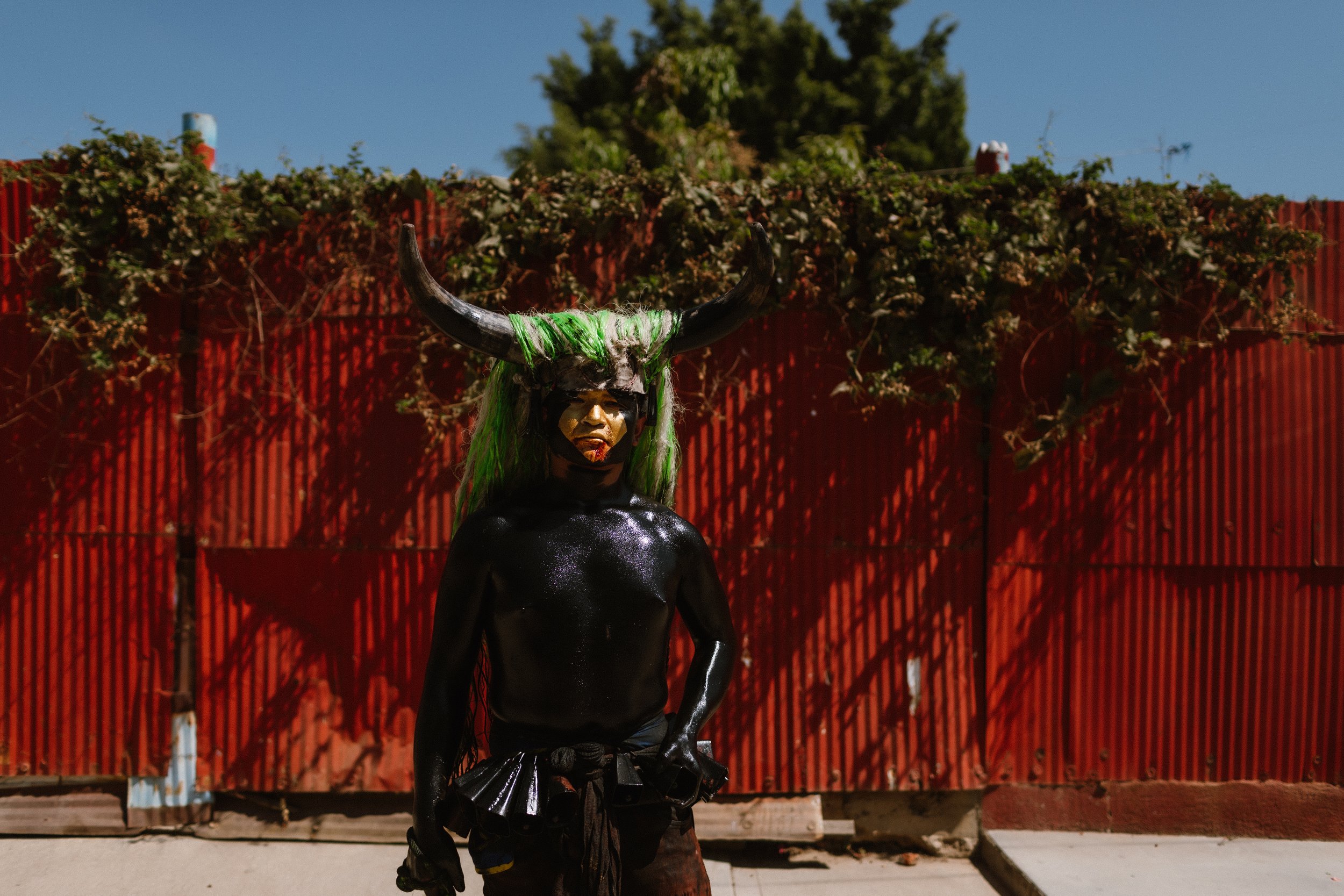
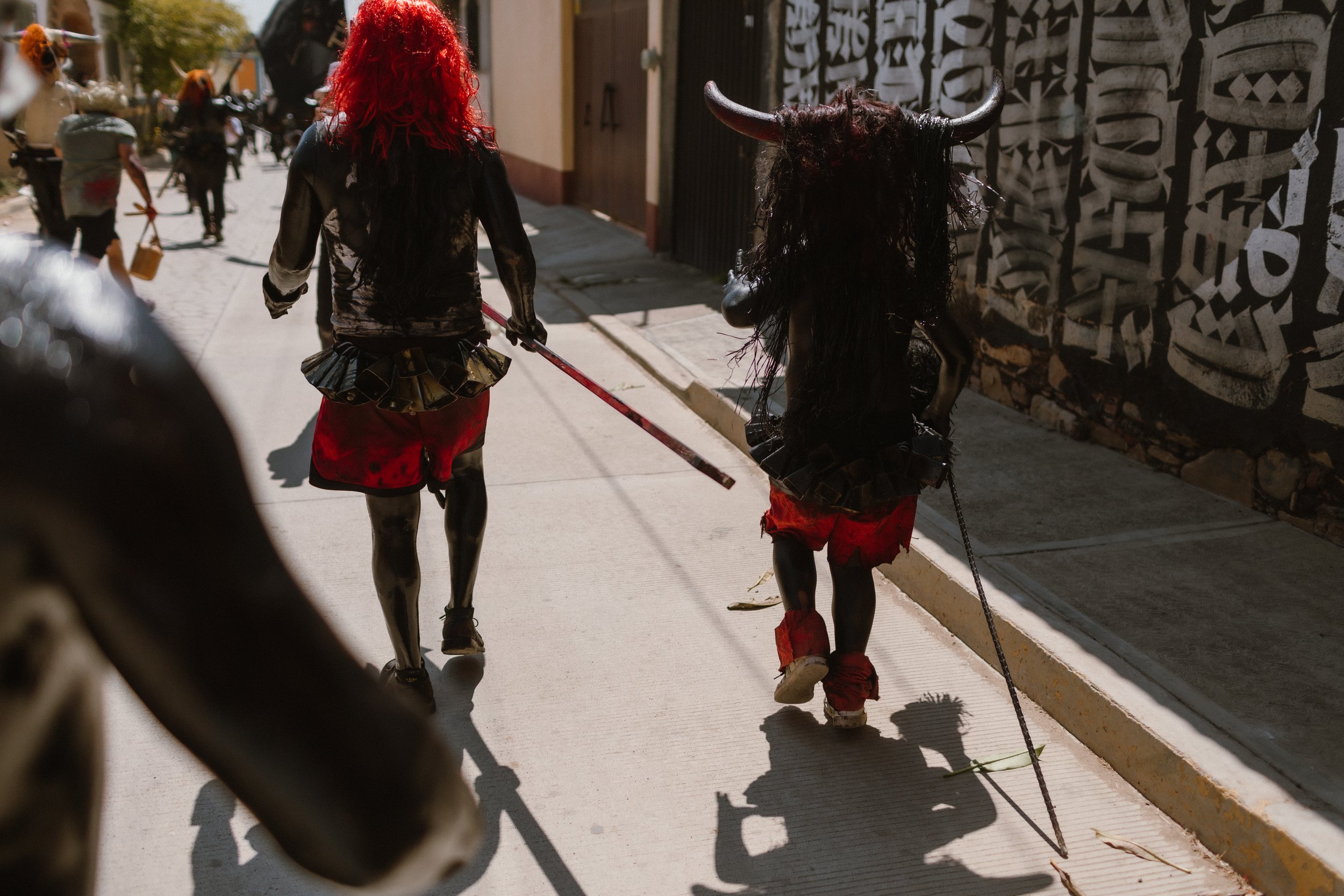
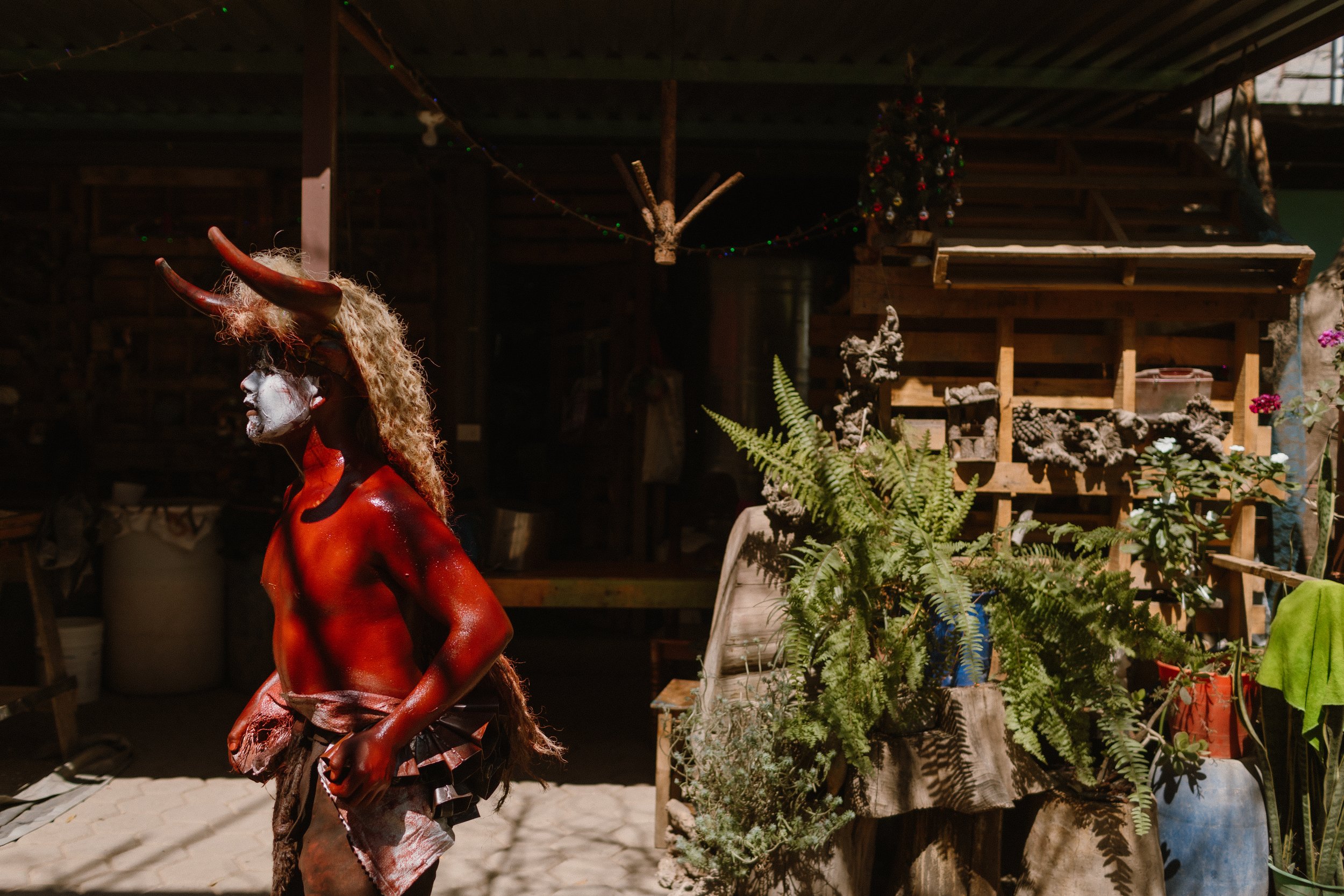
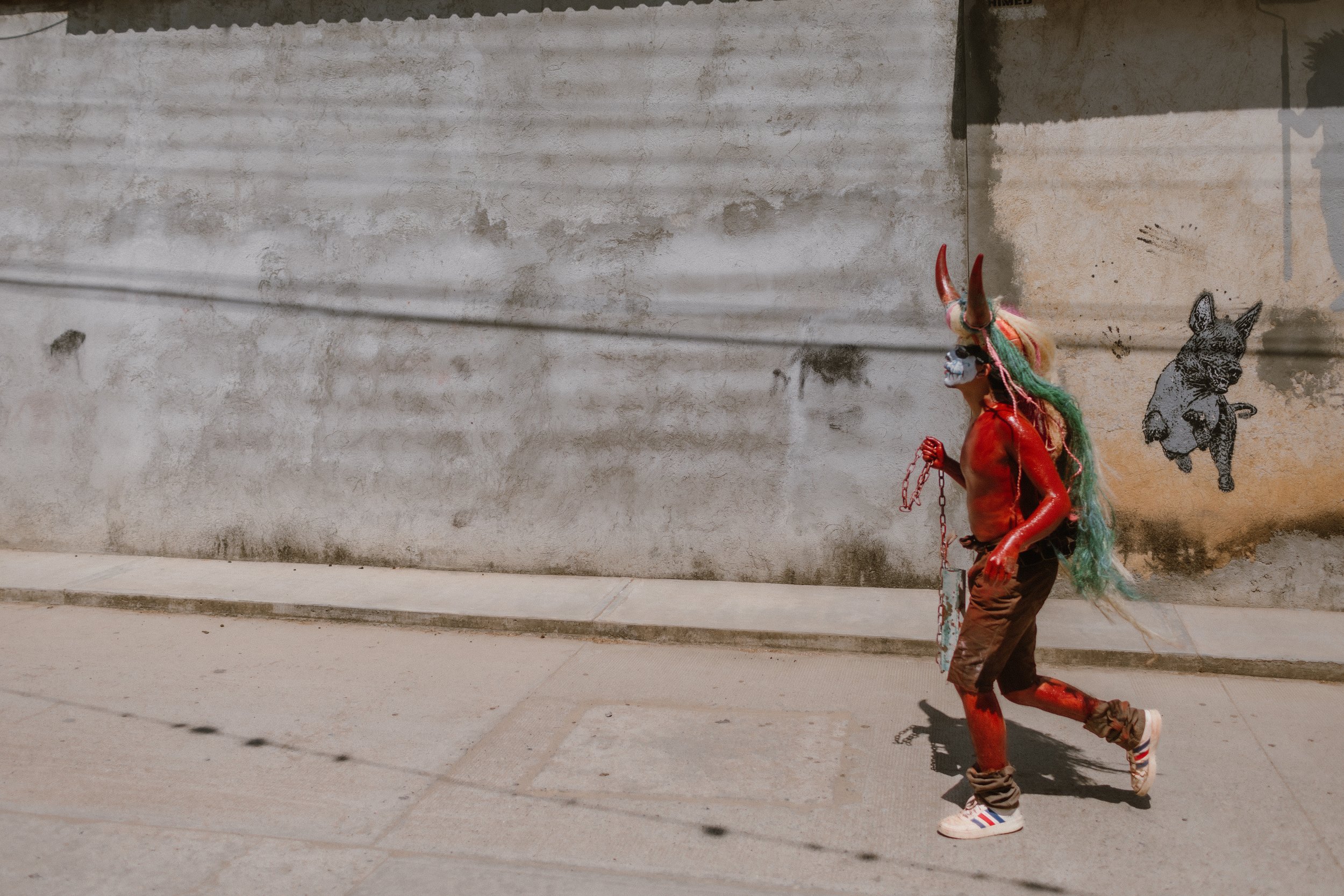
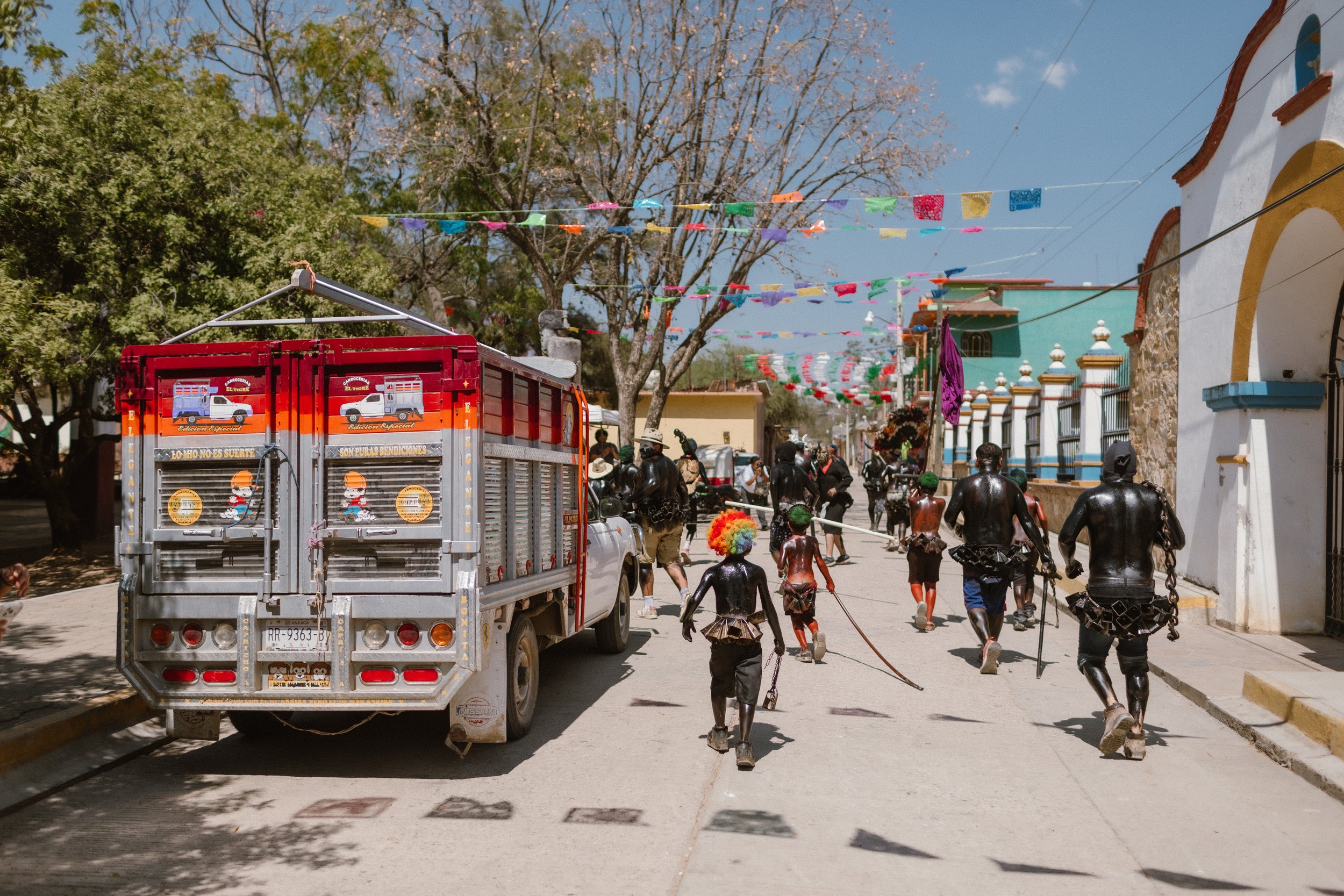
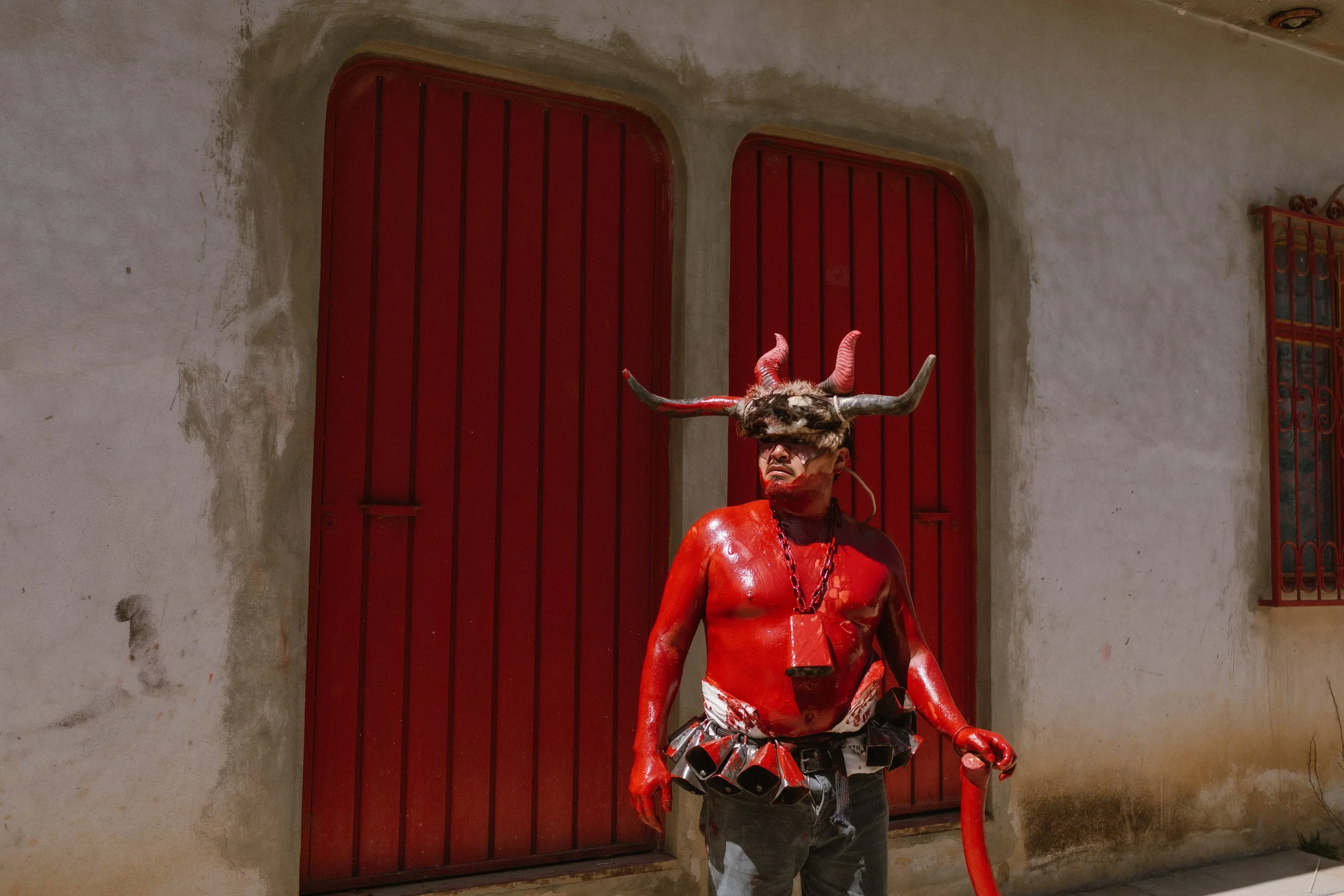
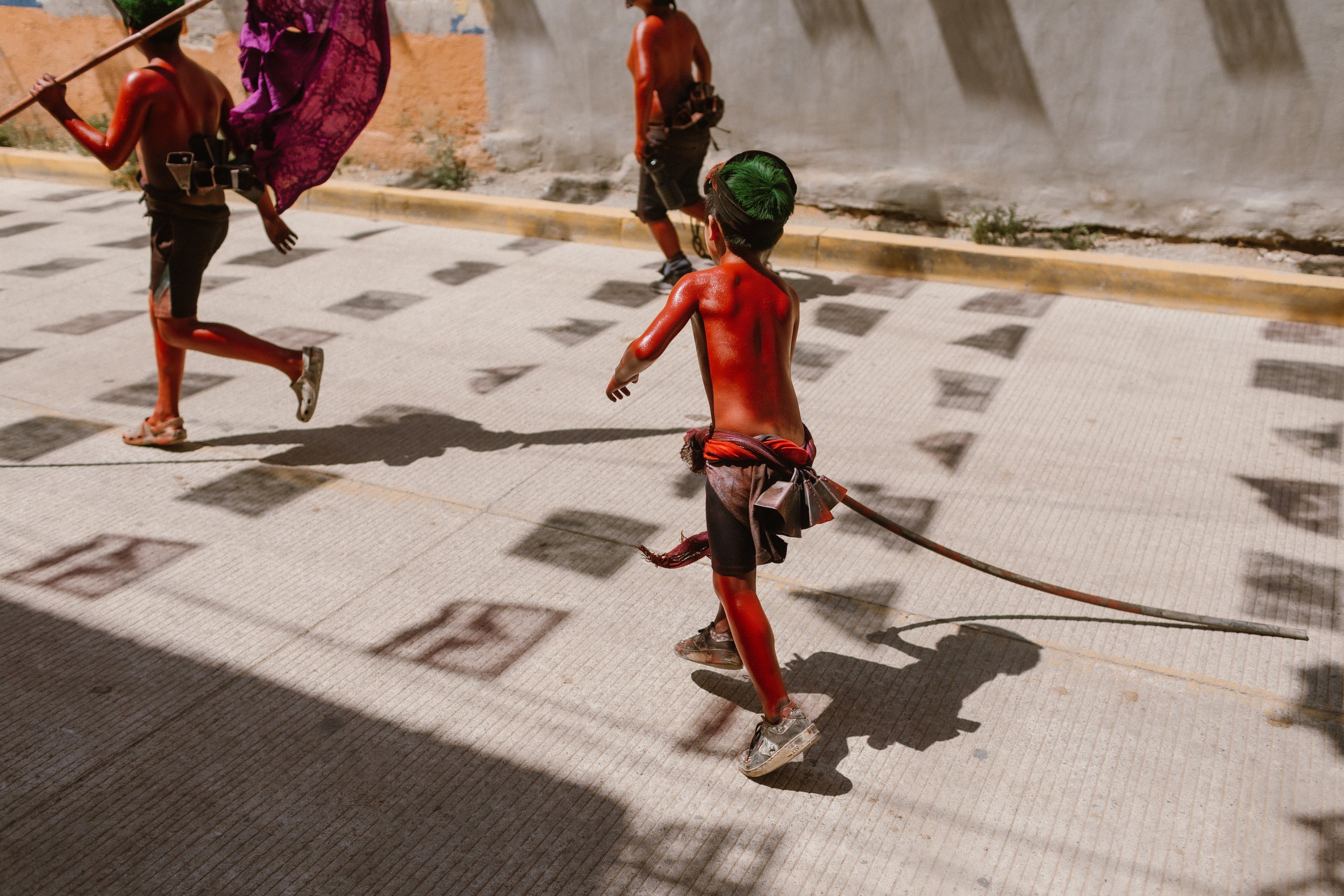
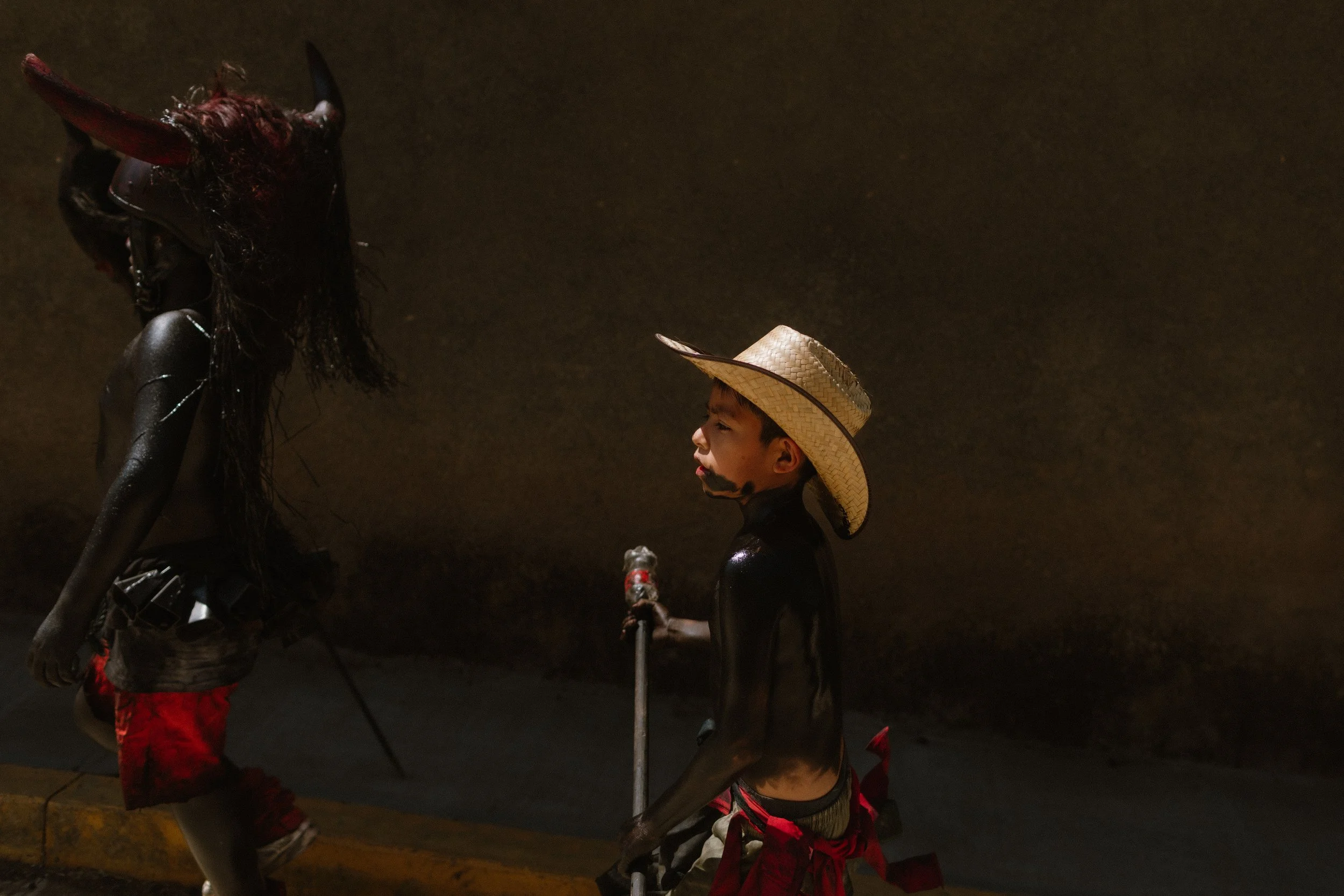
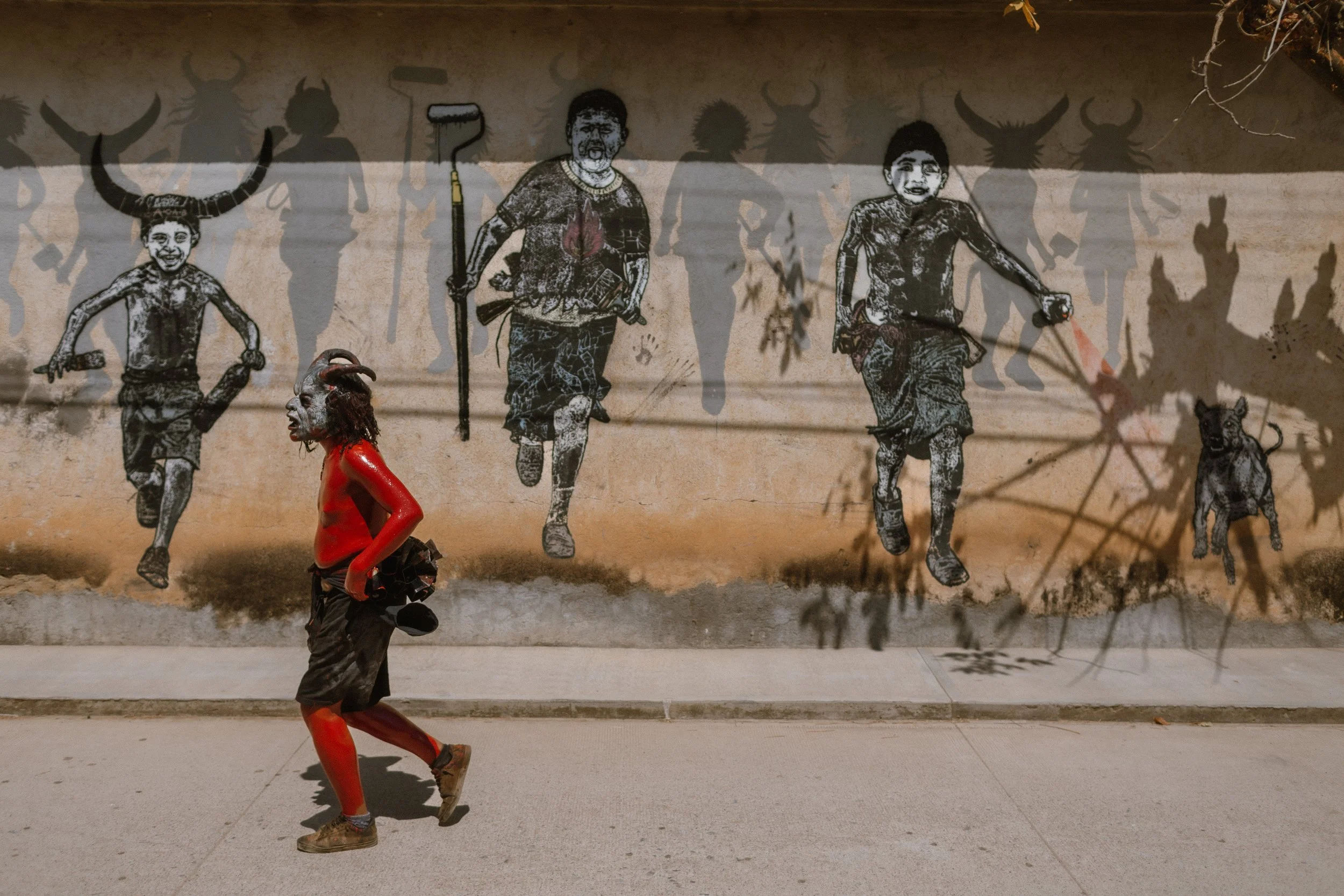
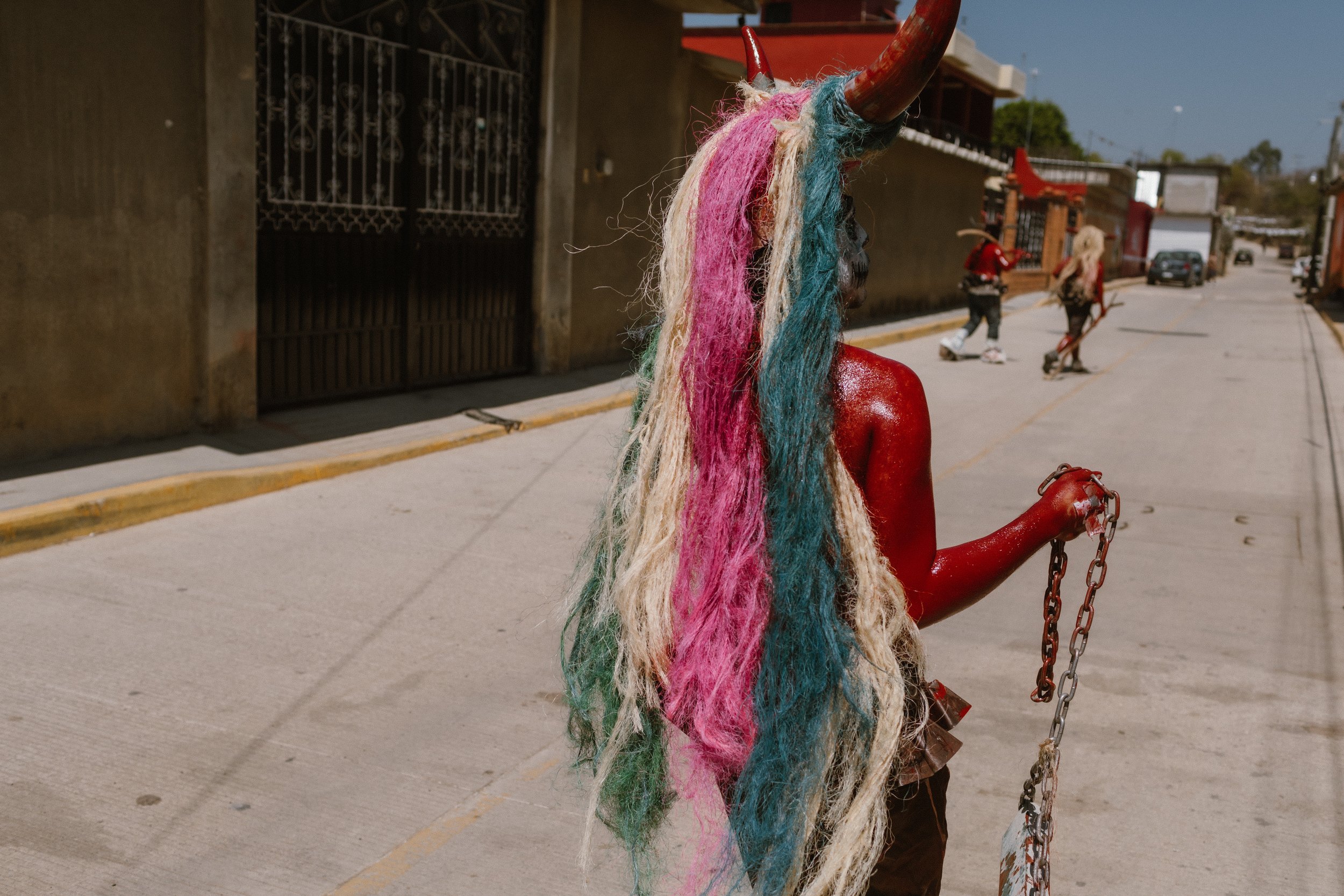
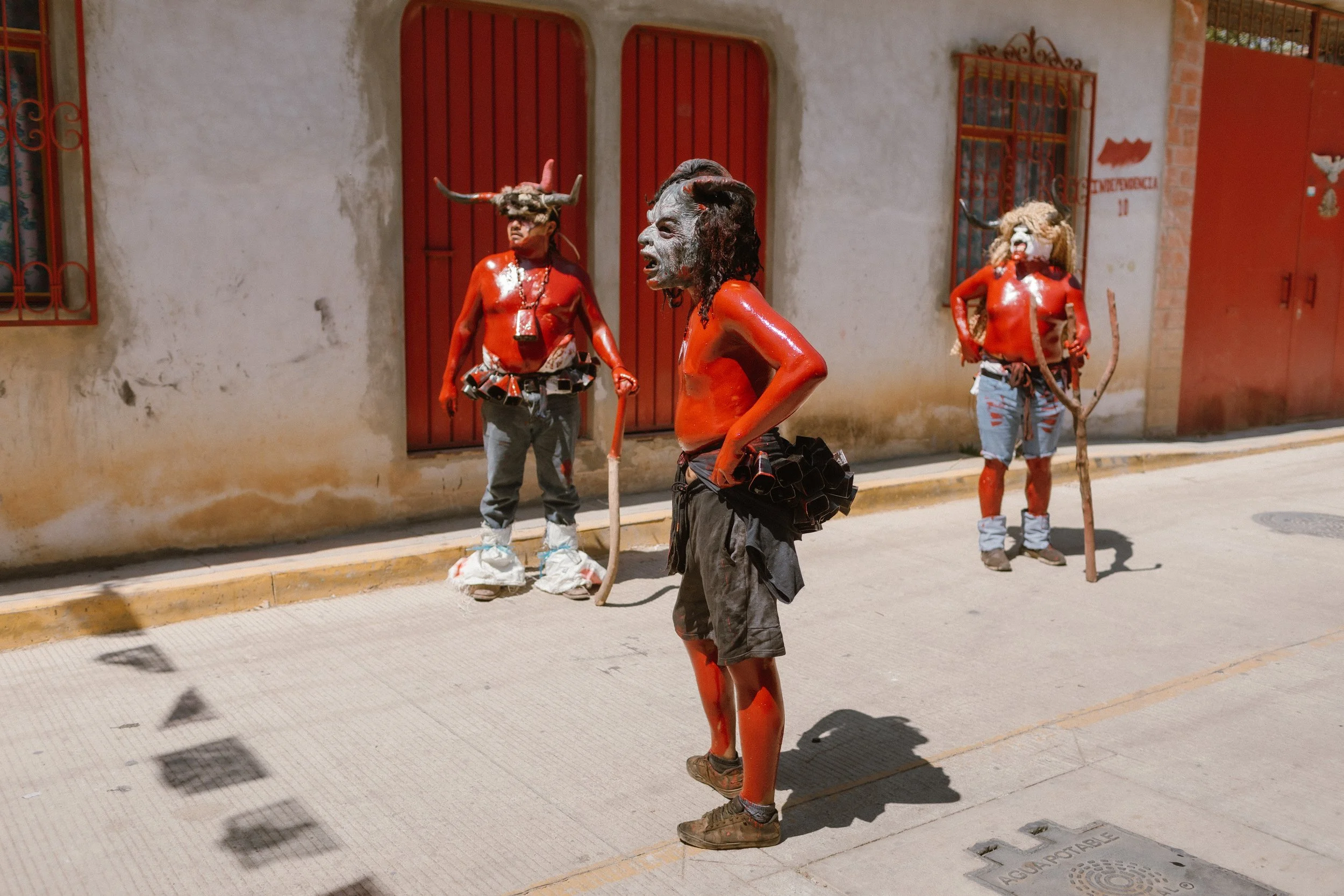
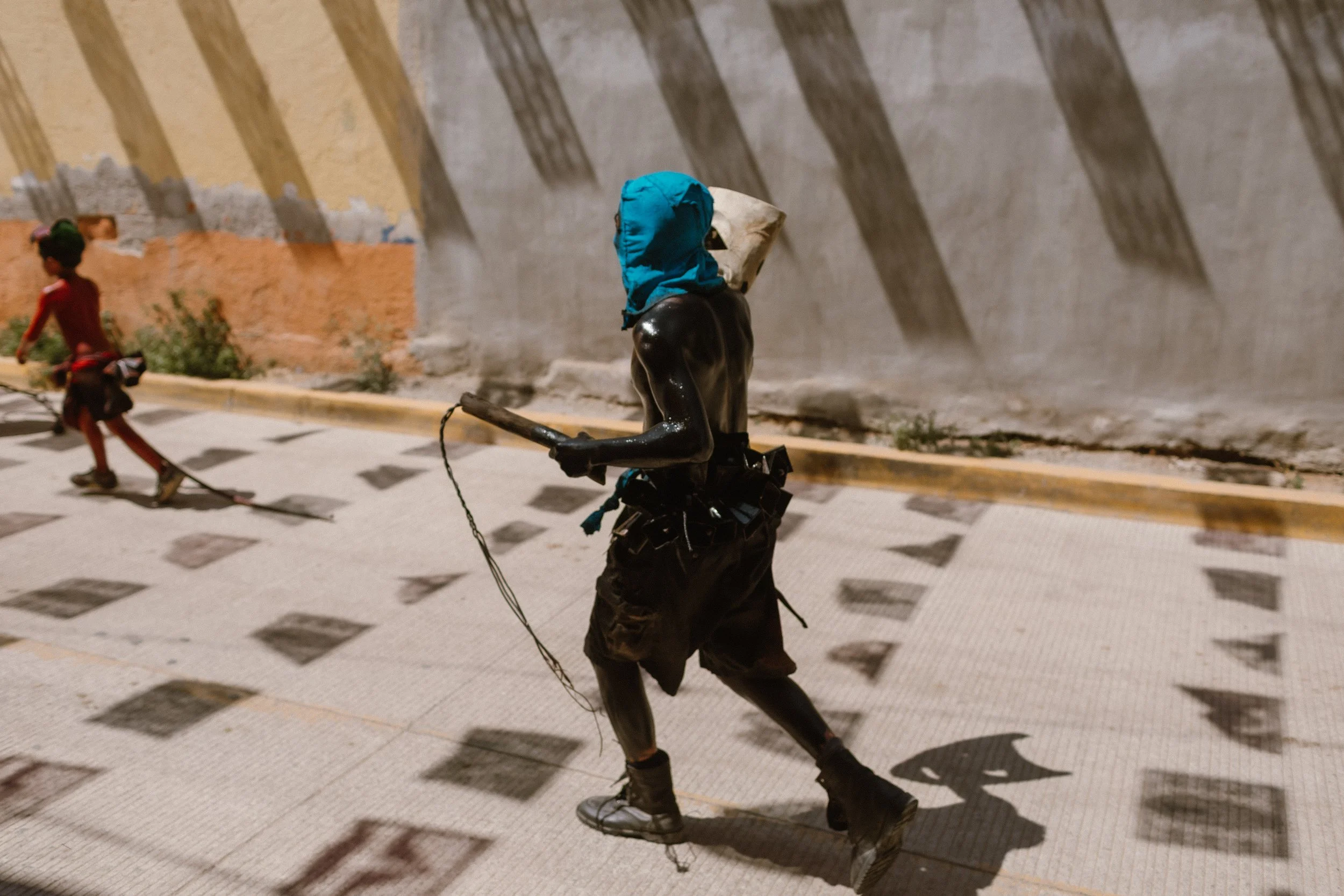
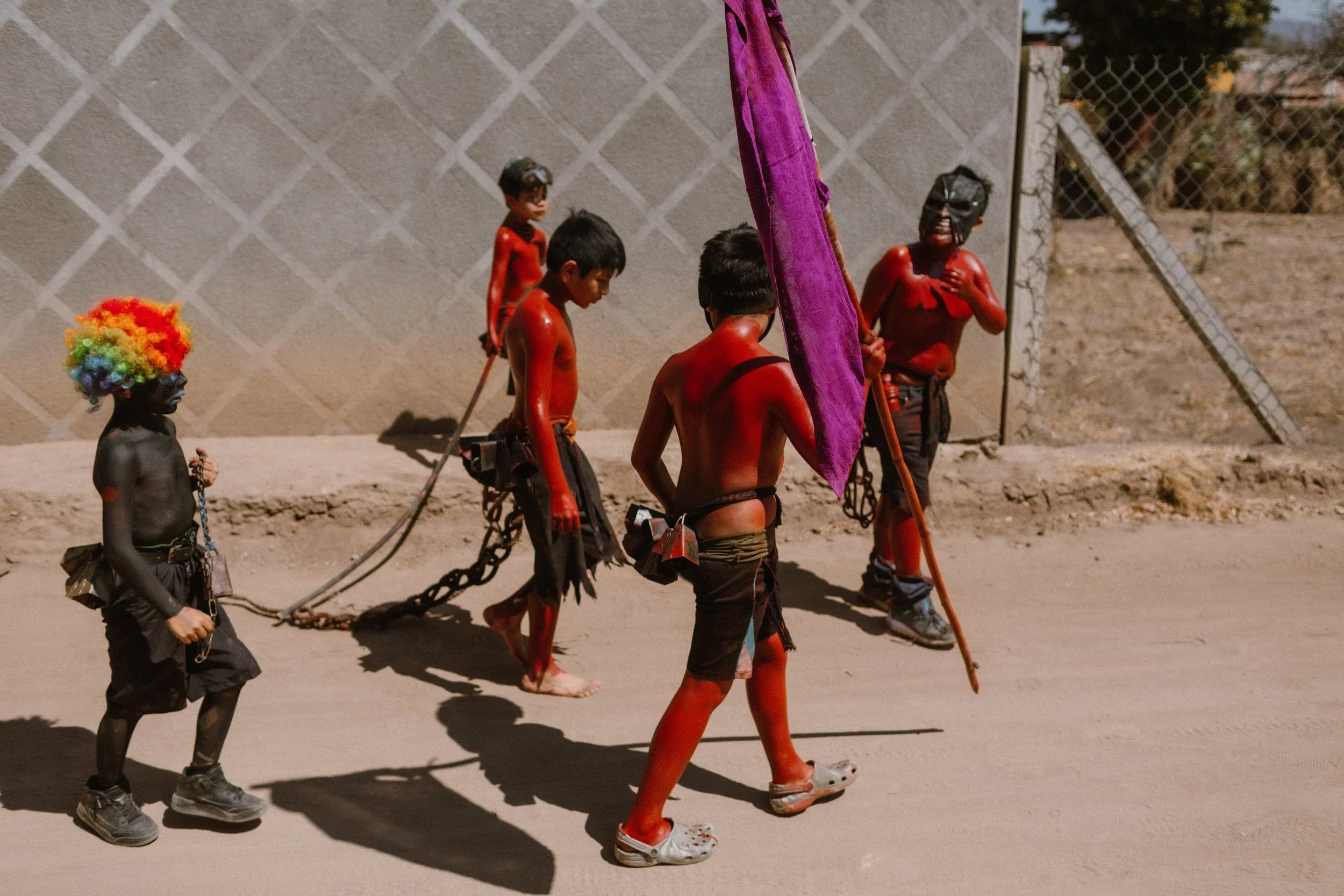
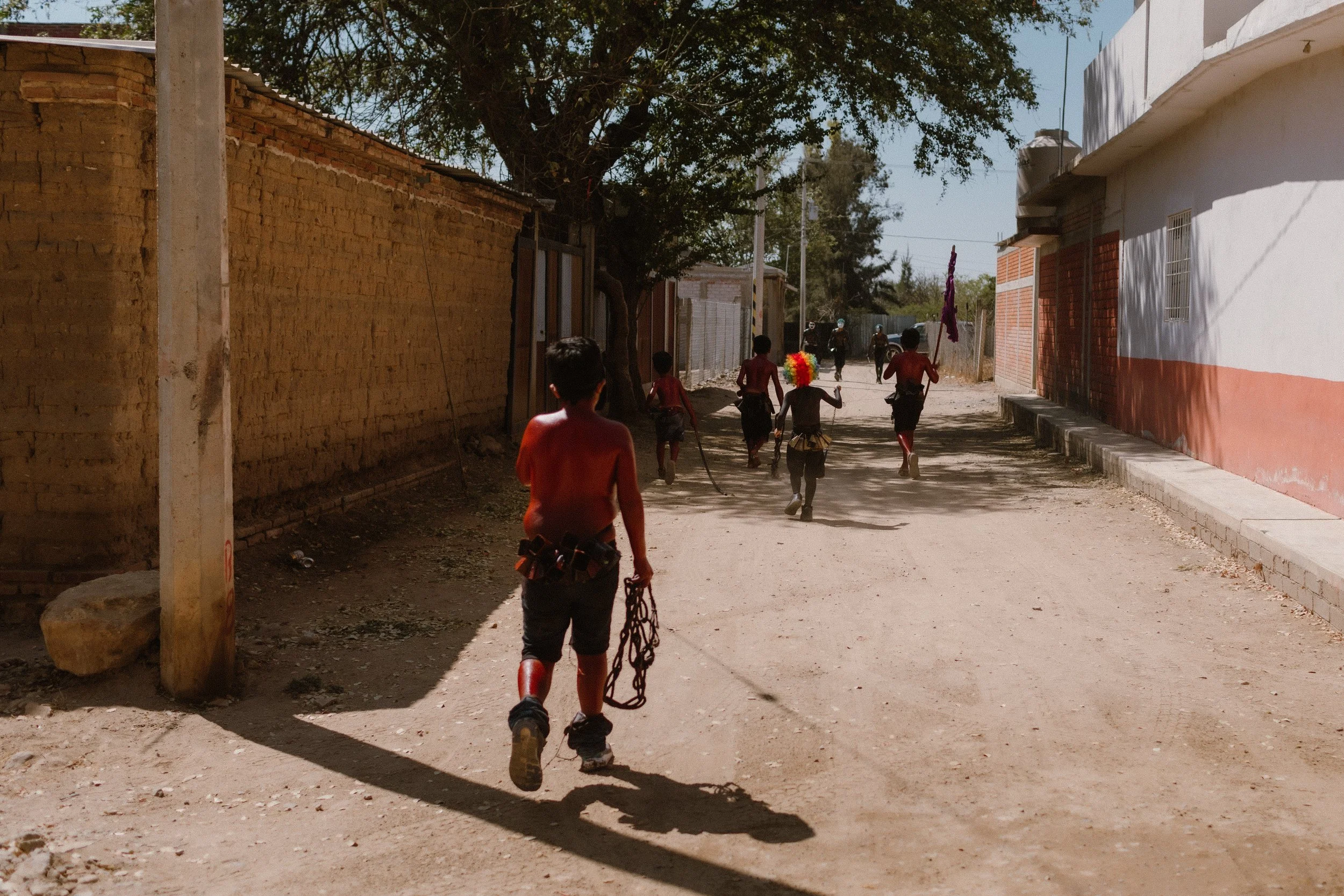
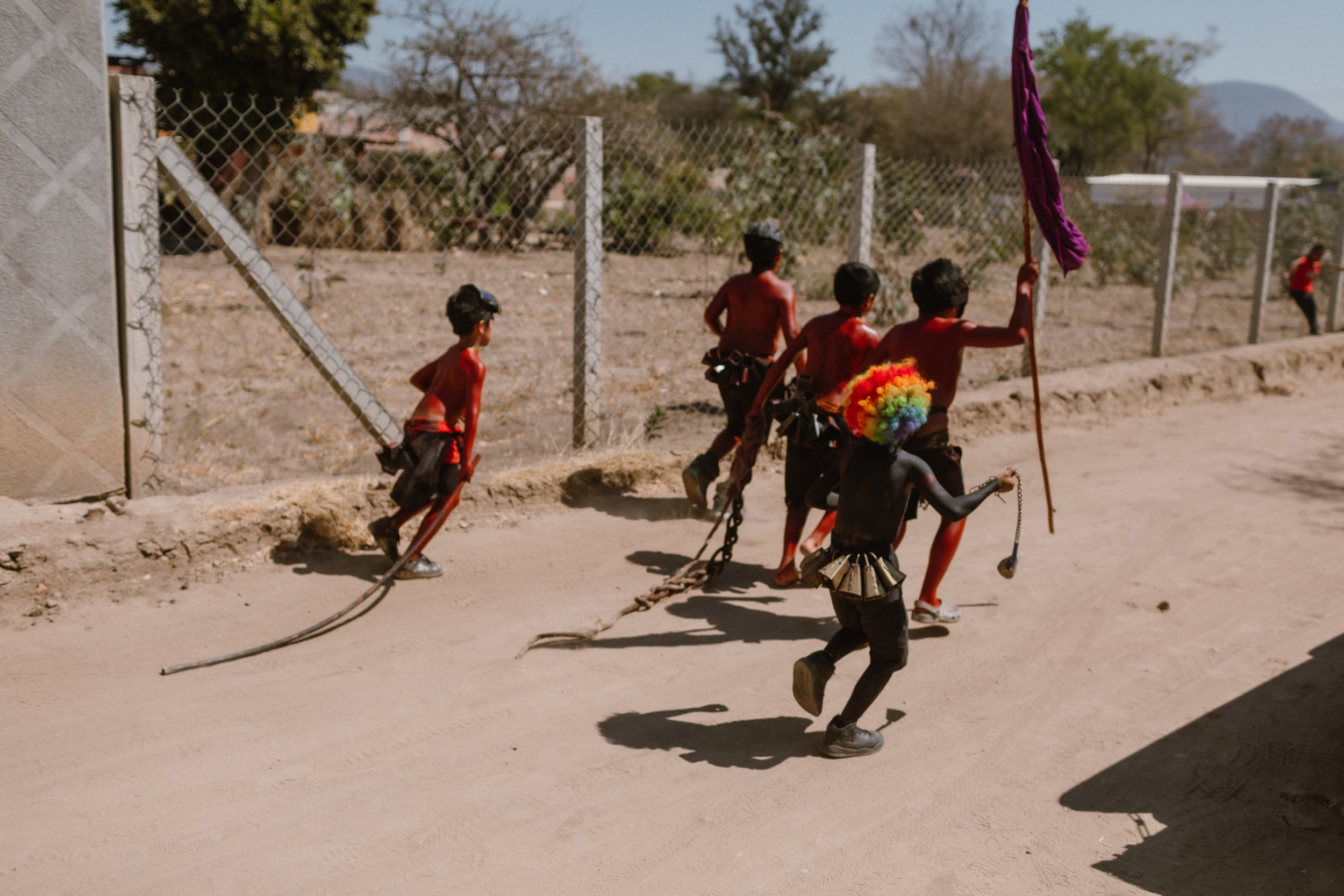
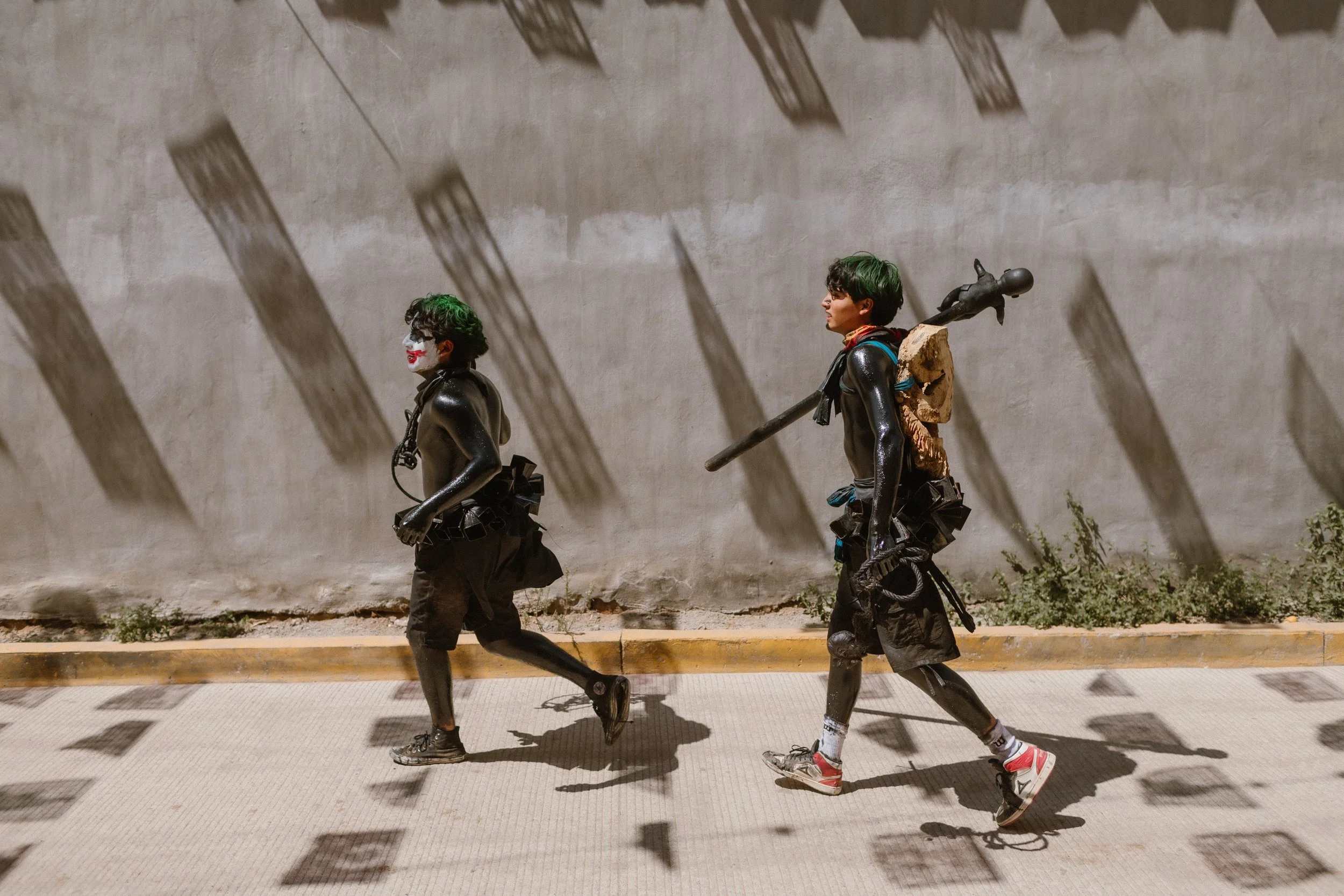
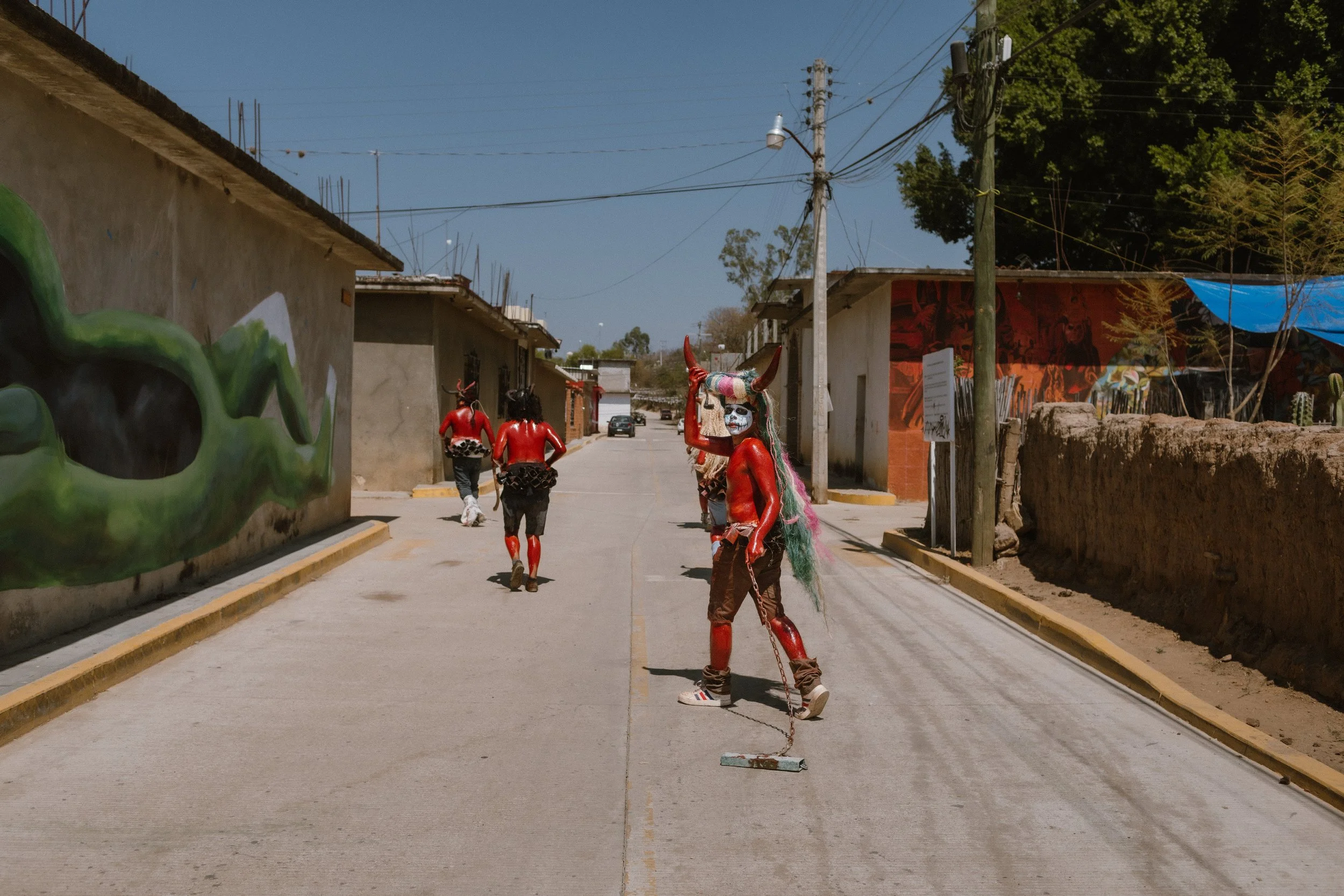
Boys and men paint their bodies from head to toe. Cowbells are tied around their waists. Chains drag along the pavement. The metallic clanging echoes through the narrow streets. The sound is constant, almost primal and impossible to ignore.
This Carnival tradition, like many in Oaxaca, blends Indigenous Zapotec heritage with Catholic influence brought during colonization. The painted bodies, the bells, the exaggerated gestures are all layered with symbolism that speaks to history, resistance, and the preservation of identity.
I grew up with a narrow understanding of masculinity, one that often felt guarded, restrained, emotionally distant. Here, during Carnival, I witness something different. The men and boys move through the streets loudly, playfully, unapologetically embodied. They dance. They shout. They perform. They lean fully into the spectacle of it all without embarrassment.
There is strength here, yes, but there is also expression. They are not afraid to be seen.
Watching them, I feel both admiration and tenderness. This ritual gives them permission to be expansive, to take up space with sound, with movement, with presence. It challenges the quiet, contained version of manhood I once thought was universal.
And maybe that is part of what humbles me most.
Not just that I am witnessing a tradition that is not mine, but that I am witnessing ways of being that expand my own understanding of the world.
As a gringa living in Mexico and traveling to these pueblos, moments like this always require reflection.
That means asking before photographing when appropriate. Making eye contact. Offering gratitude. Understanding that not every moment needs to be captured. Recognizing that this is a living culture, not a backdrop, not a spectacle, not something owed to me.
I feel deeply honored to hear the bells and their primal cries, to watch the pride in the way they carry themselves, to stand at the edge of something ancient and alive.
These are moments of cultural continuity. They are expressions of identity that have survived change, tourism, and time.
Tilcajete is a town where tradition still walks the streets loud, unapologetic, and alive.
And for me, the privilege is not just in seeing it.
It’s in knowing my place within it.